
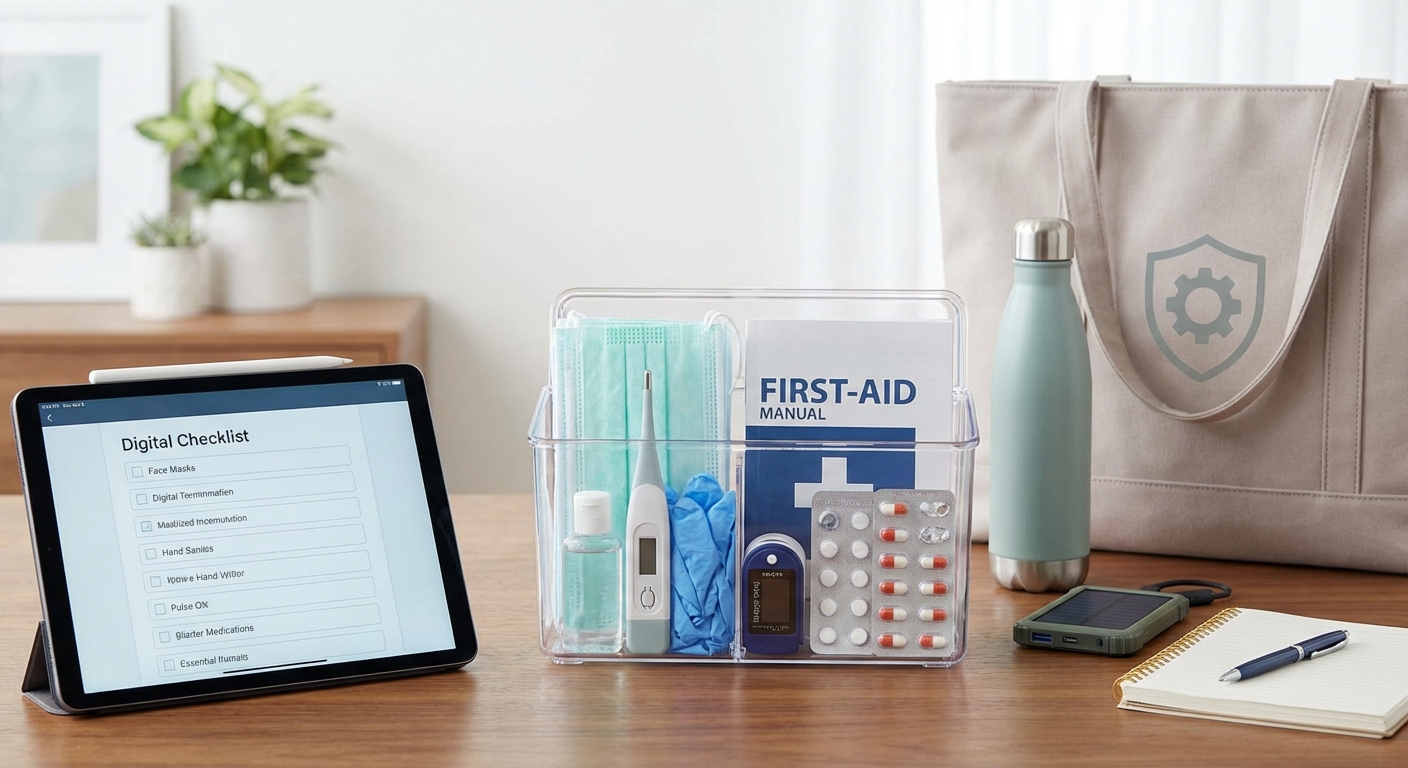
The next health crisis won’t announce itself with a convenient warning. Building a personal health emergency kit now means you won’t be scrambling through empty store shelves or making panicked online orders when a new outbreak hits your community.
A pandemic emergency kit requires three core categories: medical supplies (masks, thermometers, medications), sanitation items (disinfectants, soap, sanitizer), and household essentials (food, water, batteries). Start with a 30-day supply, store items properly, rotate perishables every six months, and customize based on your family’s specific health needs. Building your kit incrementally over several weeks prevents financial strain while ensuring comprehensive coverage.
Understanding What Makes a Pandemic Kit Different
Natural disasters require shelter, warmth, and water. Pandemics demand something else entirely: protection from invisible threats that spread person to person.
Your pandemic kit focuses on preventing infection, managing symptoms at home, and maintaining isolation without constant store trips. The supplies differ significantly from earthquake or hurricane kits because the danger comes from human contact, not structural damage or power loss.
Think back to March 2020. Stores ran out of masks, hand sanitizer, and thermometers within days. Toilet paper became currency. Families who already had supplies avoided exposure risks and price gouging.
A proper pandemic kit buys you time. Time to assess the situation. Time to avoid crowds. Time to care for sick family members without emergency room visits for minor symptoms.
Essential Medical Supplies for Your Kit
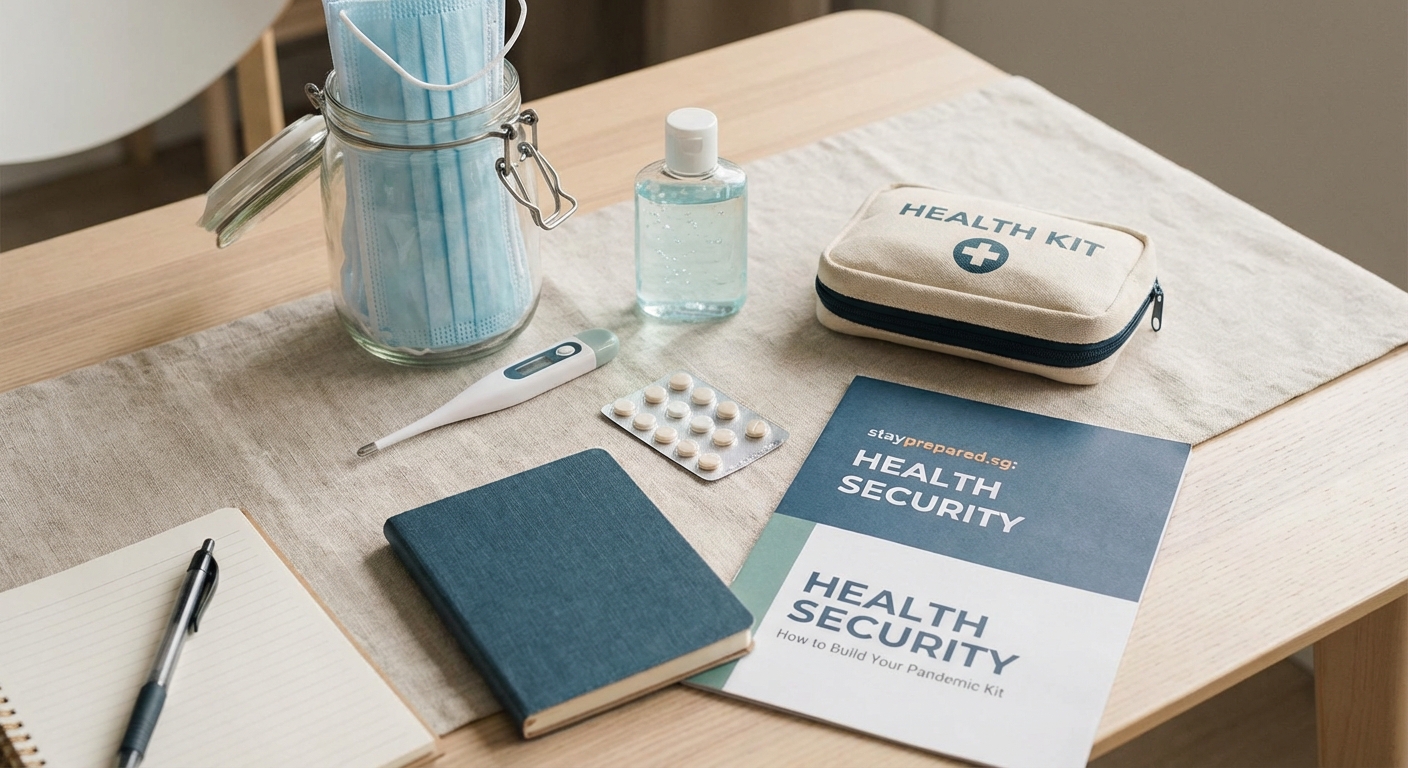
Medical items form the foundation of pandemic preparedness. These supplies help you monitor health, prevent spread, and manage illness without immediate medical intervention.
Protection and Prevention
Start with respiratory protection:
- N95 or KN95 respirators (20 per person minimum)
- Surgical masks (50 per person)
- Cloth masks as backup options
- Face shields for high-risk situations
- Safety glasses or goggles
Store masks in sealed bags organized by type. Label each bag with the date and count. Replace N95 masks every five years even if unused, as elastic degrades over time.
Add these barrier items:
- Disposable gloves in multiple sizes (100 count boxes)
- Disposable gowns or protective coveralls
- Shoe covers if caring for sick family members
- Plastic face shields for caregivers
Monitoring and Diagnosis Tools
You need reliable ways to track symptoms:
- Digital thermometer with extra batteries (keep two)
- Pulse oximeter to measure blood oxygen levels
- Blood pressure monitor for vulnerable family members
- Notebook for symptom tracking
Test your thermometer monthly. Dead batteries during a fever spike create unnecessary stress. Keep a small card with normal ranges for temperature, oxygen saturation, and blood pressure taped inside your kit.
Medications and Treatments
Stock a 90-day supply of prescription medications if possible. Many insurance plans now allow this. If not, aim for at least 30 days beyond your normal refill cycle.
Over-the-counter essentials include:
- Pain relievers (acetaminophen and ibuprofen)
- Cough suppressants and expectorants
- Decongestants and antihistamines
- Anti-diarrheal medication
- Electrolyte replacement packets
- Throat lozenges
- Vitamin D and C supplements
“Most pandemic patients recover at home with supportive care. Having fever reducers, hydration support, and monitoring tools prevents unnecessary hospital visits that risk further exposure.” — Dr. Sarah Chen, Emergency Medicine Physician
Store medications in a cool, dark place. Heat and light degrade effectiveness. Check expiration dates every six months and rotate stock like you would camping food.
Sanitation and Hygiene Essentials
Infection control depends on rigorous hygiene. These supplies help you maintain clean spaces and prevent household transmission.
Cleaning and Disinfection
Your cleaning arsenal should include:
- EPA-registered disinfectants (multiple bottles)
- Bleach for surface disinfection (one gallon)
- Isopropyl alcohol (70% or higher, multiple bottles)
- Disinfecting wipes (several containers)
- Spray bottles for diluted solutions
- Microfiber cleaning cloths
- Paper towels (extra cases)
Create a diluted bleach solution guide and tape it to your kit. The CDC recommends 1/3 cup bleach per gallon of water for surface disinfection. Pre-measuring takes guesswork out of stressful moments.
Personal Hygiene Supplies
Stock these items generously:
- Hand soap (bar and liquid, 10+ bars or bottles)
- Hand sanitizer with 60%+ alcohol (multiple large bottles)
- Tissues (20+ boxes)
- Toilet paper (60+ rolls)
- Feminine hygiene products (three-month supply)
- Diapers and wipes if you have young children
- Toothpaste and toothbrushes
- Shampoo and body wash
Waste Management
Illness generates contaminated waste. Plan for safe disposal:
- Heavy-duty trash bags (several boxes)
- Biohazard bags for medical waste
- Plastic bags for isolating contaminated items
- Disposable containers with lids
Designate one trash can for potentially contaminated items. Line it with two bags for extra protection. This prevents tears and contains odors during extended isolation.
Food, Water, and Household Basics
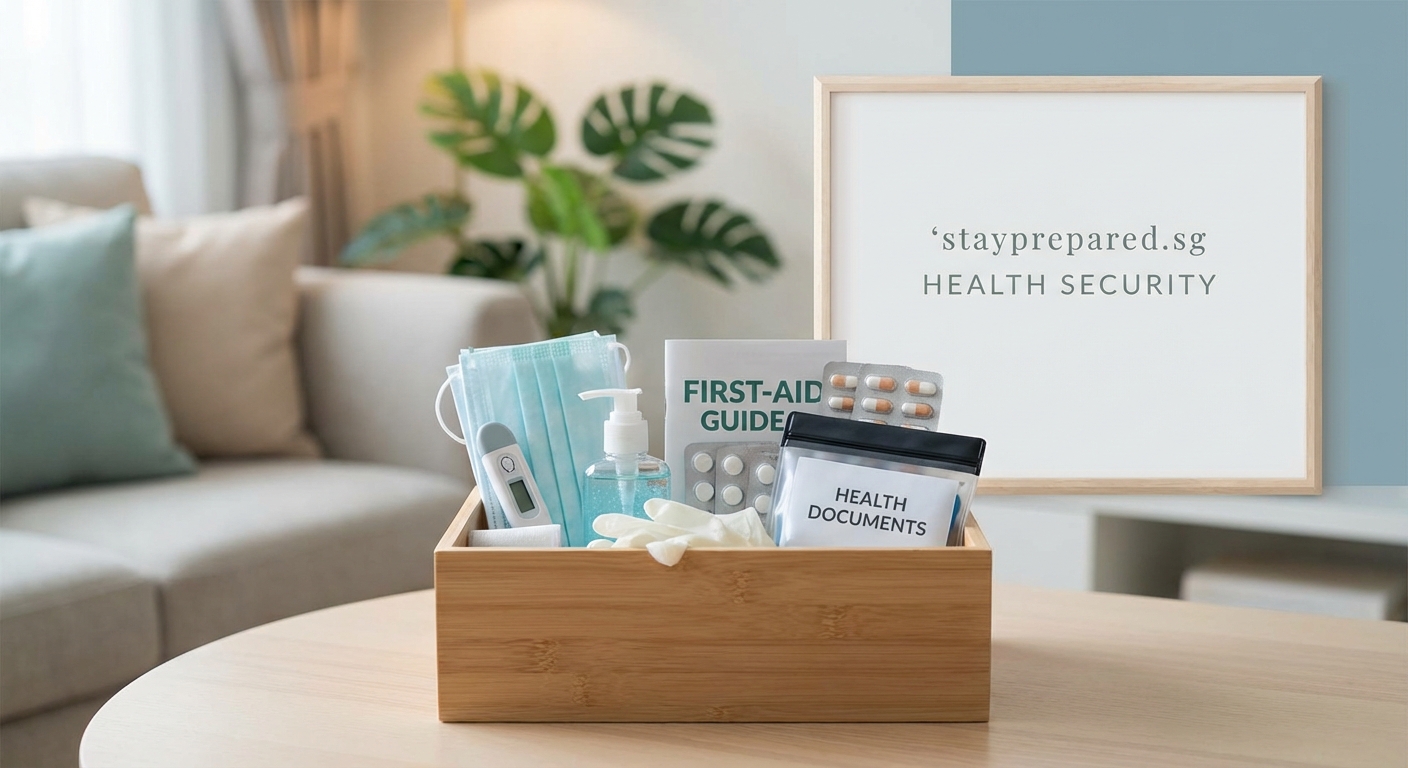
Staying home for weeks requires substantial supplies. Focus on shelf-stable items that require minimal preparation.
Food Storage Strategy
Build a 30-day food supply focusing on:
- Canned proteins (tuna, chicken, beans)
- Canned vegetables and fruits
- Rice, pasta, and other grains
- Cooking oils and condiments
- Peanut butter and nuts
- Dried fruits and jerky
- Crackers and cereal
- Powdered milk
- Comfort foods (chocolate, cookies)
Choose foods your family actually eats. A pantry full of unfamiliar items creates stress instead of comfort. Rotate stock regularly by eating and replacing items before expiration.
Water and Beverages
Store one gallon of water per person per day for 14 days minimum. That’s 14 gallons per person. Sounds like a lot, but dehydration during illness is dangerous.
Add these beverages:
- Electrolyte drinks for rehydration
- Tea and coffee
- Juice boxes for children
- Shelf-stable milk alternatives
Replace stored water every six months. Mark bottles with storage dates using permanent marker.
Power and Communication
Pandemics don’t cause power outages, but preparedness overlaps:
- Flashlights with extra batteries
- Battery-powered or hand-crank radio
- Phone charging cables and backup batteries
- Battery-powered fan for ventilation
Keep devices charged. A dead phone during a health emergency cuts you off from telemedicine, updates, and emergency services.
Building Your Kit Step by Step
Assembling everything at once overwhelms both budget and storage. Use this phased approach.
Month One: Medical Foundations
Week 1: Purchase thermometers, pulse oximeter, and basic first aid supplies.
Week 2: Buy masks and respiratory protection for all family members.
Week 3: Stock up on over-the-counter medications and supplements.
Week 4: Secure 30-day supplies of prescription medications.
Month Two: Sanitation and Protection
Week 1: Buy cleaning supplies and disinfectants.
Week 2: Stock personal hygiene items.
Week 3: Purchase protective equipment (gloves, gowns, shields).
Week 4: Set up waste management supplies.
Month Three: Food and Household Items
Week 1: Add canned proteins and shelf-stable basics.
Week 2: Stock grains, pasta, and cooking essentials.
Week 3: Purchase water and beverages.
Week 4: Add comfort items and backup supplies.
This gradual approach costs $50 to $100 weekly instead of $600+ at once. Spreading purchases also helps you find better deals and avoid panic buying.
Storage and Organization Best Practices
A disorganized kit wastes time when minutes matter. Smart storage makes supplies accessible and maintainable.
Store items in clear plastic bins labeled by category. Use these groupings:
- Medical supplies and medications
- Protective equipment
- Cleaning and sanitation
- Food and water
- Household essentials
Keep a printed inventory list taped inside each bin lid. Update it whenever you add or remove items. Include purchase dates and expiration dates for perishables.
Choose a storage location that’s:
- Cool and dry (avoid garages and attics)
- Easily accessible
- Away from direct sunlight
- Known to all household members
Basements work well if moisture controlled. Bedroom closets or under-bed storage containers keep supplies within reach.
Common Mistakes and How to Avoid Them
| Mistake | Why It Happens | Better Approach |
|---|---|---|
| Buying only masks | Media focus on single items | Build comprehensive coverage across all categories |
| Ignoring expiration dates | Set and forget mentality | Schedule biannual reviews on calendar |
| Storing everything together | Seems more organized | Separate by use frequency and contamination risk |
| Forgetting pet supplies | Focus on human needs | Add pet medications, food, and supplies |
| No documentation | Relying on memory | Create written inventory and family emergency plan |
| Buying unfamiliar foods | Thinking survival mode | Stock foods you normally eat and enjoy |
Customizing for Your Family’s Needs
Every household has unique requirements. Adapt your kit based on specific circumstances.
For Families with Young Children
Add these items:
- Age-appropriate medications and dosing syringes
- Extra diapers and wipes (double your estimate)
- Formula and baby food
- Comfort items (favorite toys, books)
- Child-sized masks and thermometers
For Elderly or Immunocompromised Members
Include:
- Extended medication supplies (90+ days if possible)
- Specialized medical equipment (nebulizers, oxygen monitors)
- Easy-to-prepare nutritious foods
- Extra protective equipment for caregivers
- List of emergency contacts and medical information
For Pet Owners
Don’t forget:
- 30-day supply of pet food
- Pet medications
- Litter or waste bags
- Vaccination records
- Veterinary contact information
Maintenance and Rotation Schedule
A kit only works if supplies remain usable. Create a maintenance routine.
Every six months (set phone reminders):
- Check all expiration dates
- Replace expired medications and food
- Test electronic devices and replace batteries
- Wash and inspect reusable items
- Update emergency contact lists
- Review and revise your family plan
Treat this like changing smoke detector batteries. Pick memorable dates like New Year’s Day and your birthday. The routine becomes automatic.
Consider rotation seriously. Expired medications lose potency. Degraded masks don’t seal properly. Stale food tastes terrible and may cause stomach issues.
Use the “first in, first out” method. When you buy new items, place them behind older stock. Consume older items first in daily life, then replace them.
Testing Your Preparedness
Run a practice isolation at home. Pick a weekend and pretend you cannot leave your house or receive deliveries.
Use only supplies from your kit. This reveals gaps immediately.
You’ll discover:
- Missing items you assumed you had
- Foods nobody wants to eat
- Medications you forgot
- Storage issues that need fixing
Make notes throughout the test. Update your kit based on real experience, not assumptions.
This practice also familiarizes family members with kit contents and location. Kids learn where supplies live. Partners understand the system. Everyone feels more confident.
Financial Planning for Kit Building
Cost concerns stop many people from starting. Break down expenses to make this manageable.
Budget estimates for a family of four:
- Medical supplies: $200 to $300
- Protective equipment: $150 to $200
- Sanitation items: $100 to $150
- Food and water: $300 to $400
- Household essentials: $100 to $150
Total: $850 to $1,200 over three months, or roughly $75 to $100 weekly.
Look for savings:
- Buy generic medications and supplies
- Purchase in bulk at warehouse stores
- Use coupons and sales strategically
- Start with essentials, add extras later
- Share bulk purchases with neighbors
Some supplies serve double duty. Hand soap works for both daily use and emergency stockpiles. Rotate it naturally. Canned goods you eat anyway cost nothing extra when bought ahead.
Consider this an insurance policy. You pay premiums hoping never to need them, but you’re grateful when crisis strikes.
Staying Prepared Without Anxiety
Preparedness differs from paranoia. Building a kit brings peace of mind, not constant worry.
Set boundaries:
- Build your kit, then live normally
- Check it twice yearly, not daily
- Stay informed without obsessing over news
- Focus on practical preparation, not fear
Your kit sits quietly in storage. You forget about it most days. That’s exactly right.
When news reports a new virus or outbreak, you’ll feel calm instead of panicked. You’ve already done the work. Your family has protection. You can make rational decisions instead of emotional ones.
Your Family’s Safety Net
Building a pandemic emergency kit transforms you from reactive to ready. The next health crisis will come, whether next year or next decade. Your kit ensures you face it with confidence instead of chaos.
Start this weekend. Buy a thermometer and some masks. Next week, add medications. The week after, stock cleaning supplies. Small steps compound into complete preparedness.
Your future self will thank you. So will your family when they’re safe at home while others scramble through crowded stores. Preparation isn’t about fear. It’s about care, responsibility, and protecting the people who matter most.