
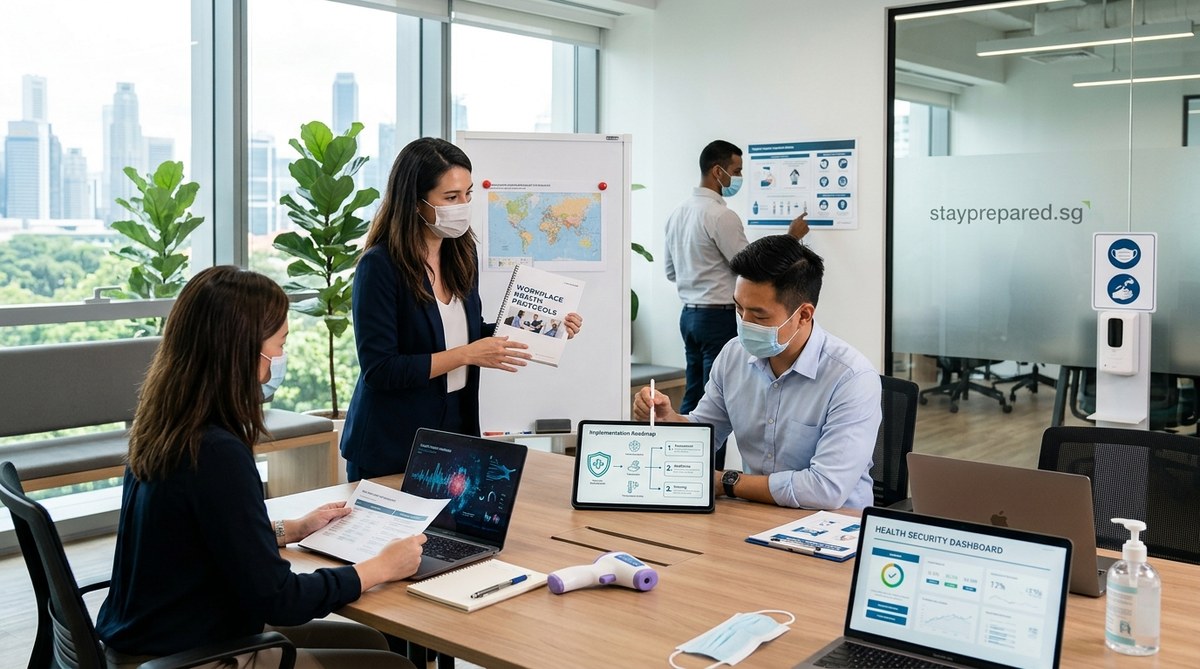
Implementing a health security protocol in the workplace is essential for safeguarding employee well-being and ensuring compliance with health regulations. It’s not enough to have policies on paper; you need a clear, actionable plan that everyone understands and follows. When done right, a well-structured protocol can prevent illnesses, reduce risks, and promote a health-conscious culture. Whether you’re starting from scratch or improving existing measures, this guide will walk you through practical steps to develop an effective health security plan.
Creating a comprehensive health security protocol involves assessing risks, establishing clear procedures, training staff, and continuously monitoring. This approach protects employees, ensures regulatory compliance, and fosters a safety-first culture in your workplace.
Understand the importance of a health security plan
Before jumping into the steps, recognize why a health security protocol is crucial. It minimizes the risk of disease transmission, reduces absenteeism, and demonstrates your commitment to employee safety. During health crises like pandemics, a robust plan can be the difference between maintaining operations or facing shutdowns. It also aligns with legal requirements and best practices, protecting your organization from potential liabilities.
How to develop a health security protocol in your workplace
1. Conduct a thorough risk assessment
A strong health security plan starts with understanding your unique risks. Identify where hazards might occur, such as shared spaces, high-traffic areas, or vulnerable employee groups. Use a structured framework—consider consulting resources like https://stayprepared.sg/how-to-build-a-risk-assessment-framework-that-actually-works/ for guidance. Be systematic: look at physical risks, health concerns, and any industry-specific hazards.
2. Define clear policies and procedures
Once risks are identified, translate them into practical policies. These should include protocols for hygiene, social distancing, mask-wearing, and handling sick employees. Make policies accessible and straightforward. For example, set guidelines for cleaning routines, ventilation standards, and reporting illnesses. Creating a step-by-step manual helps staff understand their roles and responsibilities.
3. Train and educate staff regularly
Training is vital for compliance. Conduct sessions that explain the policies, demonstrate proper hygiene practices, and address common questions. Use engaging formats like videos, workshops, or online modules. Employees who understand the reasons behind protocols are more likely to follow them consistently. Reinforce training with visual aids and reminders posted in common areas.
4. Implement monitoring and continuous improvement
Establish routines for monitoring adherence and evaluating effectiveness. Use checklists, audits, or digital tools to track compliance. Gather feedback from employees to identify gaps or challenges. Regularly review and update protocols based on the latest health advisories and incident reports. Remember, a health security plan is dynamic and requires ongoing attention.
Best practices and practical tips
- Communicate clearly and frequently using emails, meetings, and visual signs.
- Assign dedicated roles for health security management, such as a health officer or safety committee.
- Create a response plan for emergencies, including contact points and escalation procedures.
- Encourage a safety culture where employees feel empowered to report concerns without fear.
- Maintain documentation of policies, training sessions, and incident reports for compliance and improvement.
Scanning for success
- Regular updates based on evolving health guidelines
- Staff buy-in and active participation
- Clear signage and accessible resources
- Routine audits and feedback loops
- Prompt corrective actions when gaps are identified
Common pitfalls to avoid
| Techniques | Mistakes to Avoid |
|---|---|
| Risk assessment | Overlooking hidden hazards or industry-specific risks |
| Clear policies | Using jargon or complex language that confuses staff |
| Staff training | Conducting one-time sessions without reinforcement |
| Monitoring | Relying solely on manual checks instead of digital tools |
| Updates | Failing to revise protocols as new health information emerges |
Expert advice: “A successful health security protocol is less about rules and more about creating a culture of safety. Engage employees in developing procedures and listen to their feedback to foster ownership.”
— Safety consultant Dr. Lisa Nguyen
Technology and tools to support your health security efforts
Leveraging technology can streamline implementation and compliance. Digital platforms enable real-time monitoring, contact tracing, and alerts. For instance, health management apps can help track symptoms or vaccination status. Automated cleaning schedules and occupancy sensors optimize space utilization and reduce contact points. Incorporate tools that fit your organization’s size and industry for maximum effect.
Cultivating a resilient health safety culture
Beyond policies and tools, nurturing an environment where safety is valued is key. Leadership should model best practices and recognize compliance. Encourage open communication about health concerns and create channels for feedback. Recognize and reward teams that uphold safety standards. Building trust and accountability motivates everyone to prioritize health security daily.
Final thoughts on embedding health security in your workplace
Implementing a health security protocol is an ongoing process that requires commitment, adaptation, and teamwork. Start by understanding your risks, communicate clearly, and involve your staff at every stage. Use data and feedback to refine your approach continually. When health becomes a shared responsibility, your organization becomes more resilient against challenges and better prepared for future health events.
Taking these steps can transform your workplace into a safer, healthier environment for all. Remember, a proactive approach not only protects your team but also strengthens your organization’s reputation and operational stability. Start today by assessing your current measures and setting clear goals for improvement. Your employees will thank you for it.