
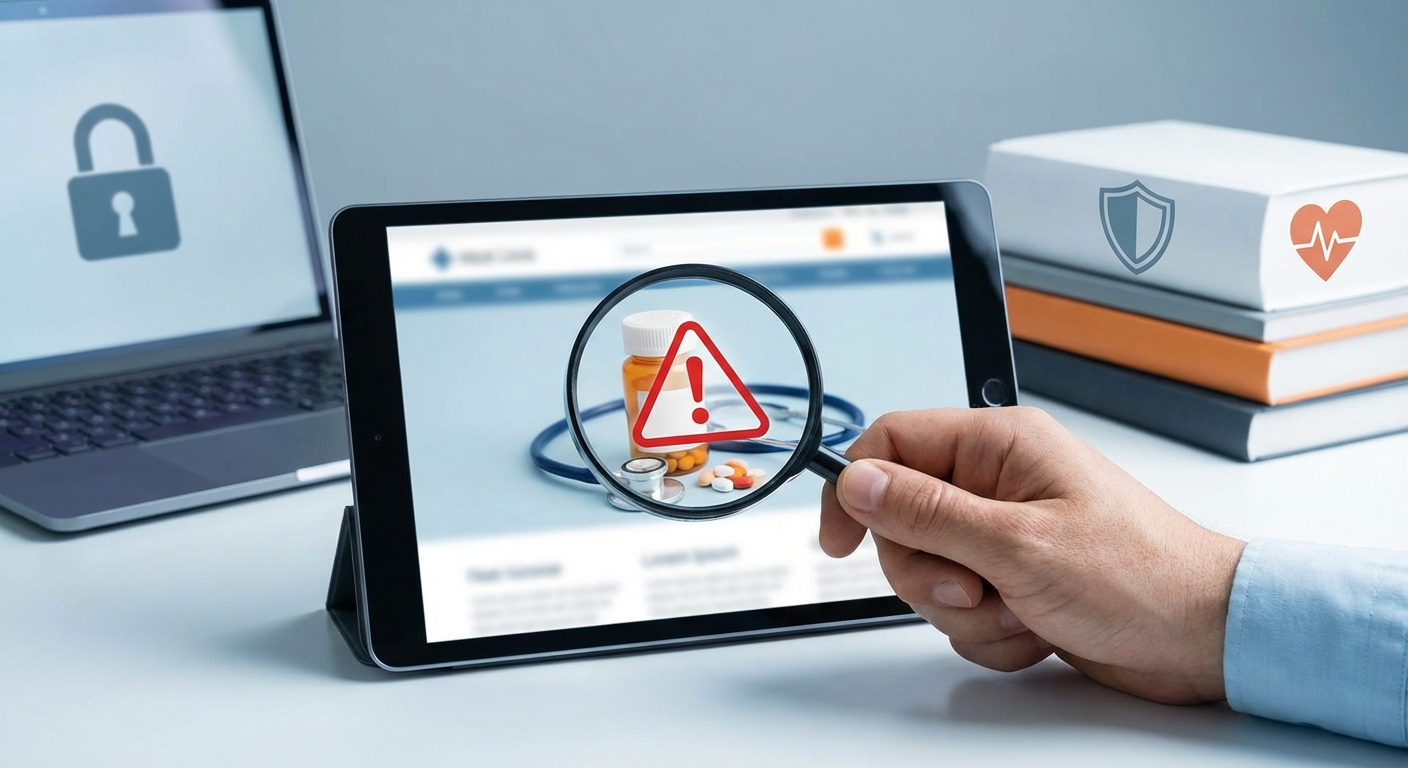
You click “buy now” on a supplement that promises miraculous results. The website looks professional. The reviews seem genuine. Three weeks later, you receive a suspicious package with pills that smell wrong and packaging that feels off. You’ve just become another statistic in the billion-dollar counterfeit health product industry.
Fake health products flood online marketplaces, putting your health and wallet at risk. This guide shows you how to verify seller credentials, spot counterfeit packaging, recognize deceptive marketing tactics, and use verification tools to protect yourself. You’ll learn the specific red flags that separate legitimate products from dangerous fakes, empowering you to shop safely for supplements, medications, and medical devices online.
The real cost of counterfeit health products
Fake health products aren’t just about wasted money. They can contain harmful ingredients, wrong dosages, or nothing active at all. The World Health Organization estimates that 1 in 10 medical products in developing countries is substandard or falsified. Online shopping has made these products easier to distribute globally.
Some counterfeit supplements contain undeclared steroids or prescription drugs. Others include toxic fillers like lead or arsenic. Medical devices might fail during critical moments. The stakes are high, which makes knowing how to identify fake health products online essential for your safety.
Check the seller’s credentials first
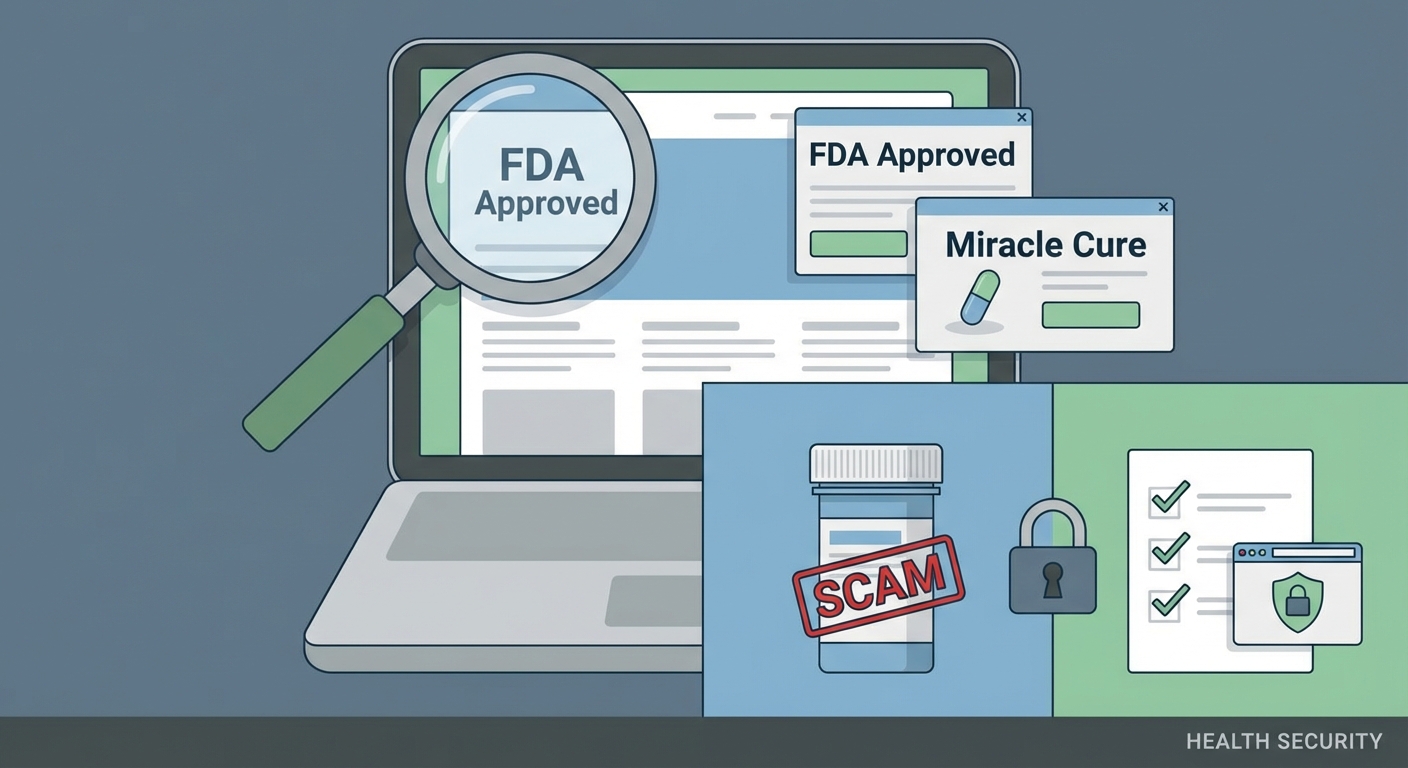
Before you even look at the product, investigate who’s selling it. Legitimate health product sellers have verifiable business information. Start with these verification steps:
- Search for the company’s physical address and phone number on their website
- Look up their business registration with your local regulatory authority
- Check if they’re licensed to sell health products in your jurisdiction
- Verify their credentials with professional pharmacy or medical device associations
- Read their history and how long they’ve been operating
A real business will have a traceable presence. Scammers often hide behind vague contact information or use only email addresses. If you can’t find a legitimate business address or the company was registered last month, walk away.
Professional licensing matters enormously. In the United States, online pharmacies should display VIPPS (Verified Internet Pharmacy Practice Sites) accreditation. Other countries have similar certification programs. These badges should link to the certifying organization’s website where you can verify the seller’s status.
Recognize the warning signs in product listings
Fake health products reveal themselves through specific patterns. Train your eye to spot these red flags:
- Prices significantly lower than authorized retailers (often 40% or more below market rate)
- Miracle cure claims or promises of overnight results
- No mention of side effects or contraindications
- Spelling errors or grammatical mistakes in product descriptions
- Stock photos instead of actual product images
- Missing batch numbers or expiration dates
- Claims that the product treats dozens of unrelated conditions
- Pressure tactics like “limited time only” or “secret formula”
Legitimate health products come with realistic expectations. A real vitamin D supplement won’t claim to cure cancer, reverse aging, and eliminate fatigue simultaneously. If something sounds too good to be true, it absolutely is.
Decode the packaging details
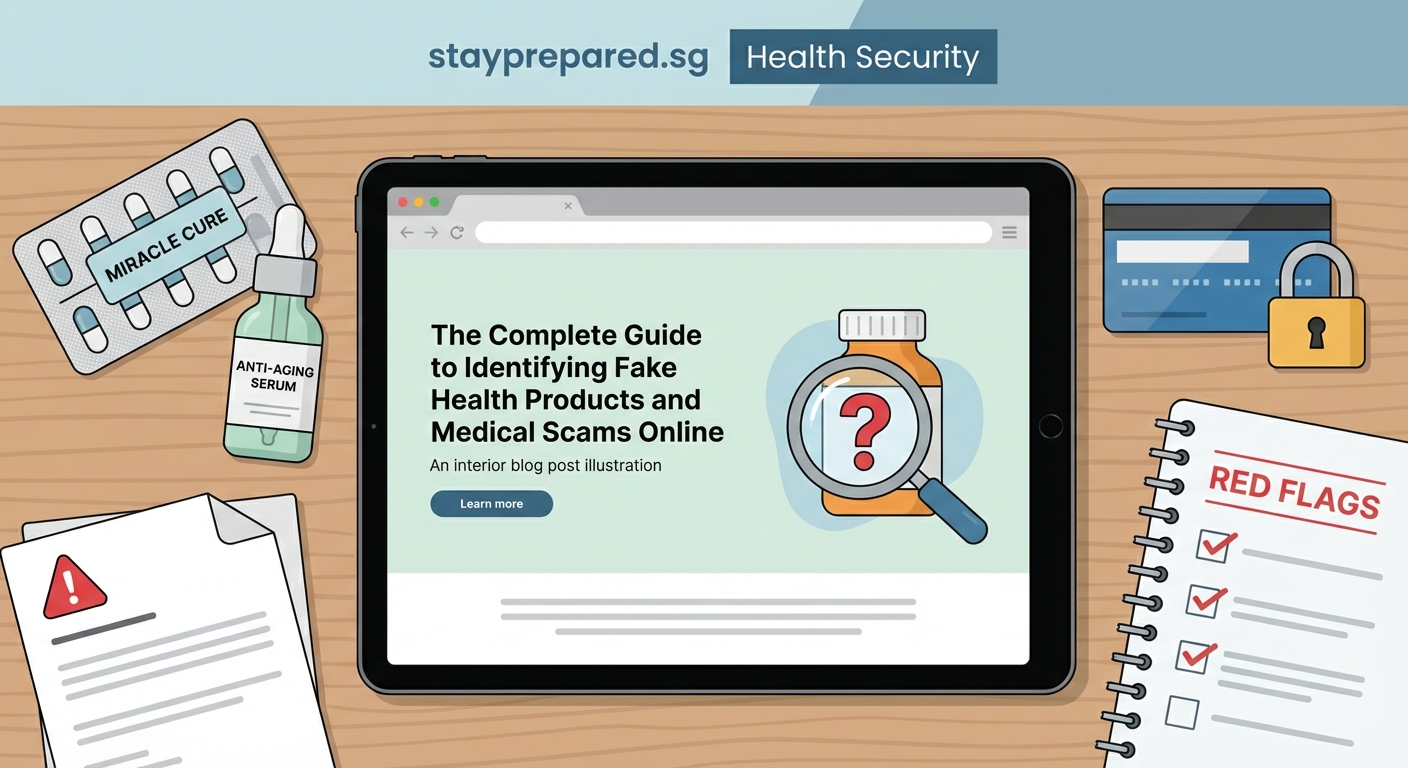
Authentic health products have specific packaging characteristics that counterfeiters struggle to replicate perfectly. When your order arrives, examine these elements:
| Packaging Element | Authentic Product | Counterfeit Product |
|---|---|---|
| Print quality | Sharp, clear text and images | Blurry, smudged, or faded printing |
| Seal integrity | Tamper-evident seals intact | Broken, missing, or poorly applied seals |
| Batch information | Clearly printed batch numbers and dates | Missing, illegible, or obviously fake codes |
| Material quality | Sturdy, professional materials | Flimsy, cheap-feeling packaging |
| Hologram or security features | Crisp, properly aligned holograms | Missing, blurry, or peeling security features |
| Instruction leaflet | Professional printing with proper formatting | Poor quality paper, formatting errors |
Take photos of suspicious packaging before opening. Compare the packaging to images from the manufacturer’s official website. Color shades, font styles, and logo placement should match exactly.
The smell test matters too. Medications and supplements should have minimal odor or the expected scent for that product type. Strong chemical smells, musty odors, or anything unusual suggests contamination or fake ingredients.
Verify product authenticity codes
Many pharmaceutical companies and supplement manufacturers now include verification systems. These tools let you confirm your product is genuine:
Scratch off the security label to reveal a unique code. Enter this code on the manufacturer’s official verification website. The system will tell you if the code is valid and hasn’t been used multiple times. Multiple uses of the same code indicate counterfeits.
Some brands use smartphone apps with barcode scanning. Point your camera at the product code and the app confirms authenticity instantly. This technology is becoming standard for high-value medications and popular supplements.
Always use the official manufacturer’s verification system, not a third-party website. Scammers sometimes create fake verification sites that always show products as authentic.
Analyze the website’s trustworthiness
The selling platform itself reveals crucial information. Professional health product retailers invest in secure, transparent websites. Evaluate these factors:
Look at the URL carefully. Legitimate sites use HTTPS (the padlock icon in your browser). The domain name should match the company name without odd misspellings. Scammers often register domains like “amazn-pharmacy.com” or “walgreens-online.net” to trick shoppers.
Check the website’s age using domain lookup tools. A site selling health products that was registered three weeks ago raises immediate concerns. Established retailers have years of online presence.
Read the privacy policy and terms of service. Real companies provide detailed, legally sound policies. Fake sites either skip these entirely or copy generic templates with obvious errors.
Test the customer service. Send a question through their contact form or call their phone number. Legitimate businesses respond professionally within a reasonable timeframe. Scammers often never reply or provide nonsensical answers.
Research reviews the right way
Online reviews can help or mislead you, depending on how you read them. Fake review patterns are identifiable once you know what to look for.
Authentic reviews include specific details about the buying experience, shipping time, product effectiveness over weeks or months, and sometimes mild complaints. They’re written in natural language with varying sentence structures.
Fake reviews share suspicious similarities. They often:
- Post in clusters on the same dates
- Use overly enthusiastic language without specifics
- Include nearly identical phrasing across multiple reviews
- Feature only five-star ratings with no criticism
- Come from accounts with no other review history
- Focus on the seller rather than the product itself
Search for reviews on independent platforms, not just the seller’s website. Check forums, social media groups, and health communities where real users discuss their experiences. These unfiltered conversations reveal problems that curated reviews hide.
“The most dangerous fake health products are the ones that look 99% authentic. Counterfeiters have become sophisticated, copying everything from packaging to verification codes. Your best protection is buying only from authorized retailers and verifying everything twice.” – Dr. Sarah Chen, Pharmaceutical Security Consultant
Cross-reference with official sources
Manufacturers maintain lists of authorized online retailers. Visit the brand’s official website and look for their approved seller directory. If your potential seller isn’t listed, contact the manufacturer directly to ask if they’re authorized.
Regulatory agencies provide databases of licensed pharmacies and medical device sellers. The FDA maintains a list of legitimate online pharmacies. The European Medicines Agency offers similar resources for EU countries. Use these official databases before making purchases.
Professional organizations also track reputable sellers. The National Association of Boards of Pharmacy in the United States runs verification programs. Medical device associations maintain directories of certified distributors.
This cross-referencing takes extra time but prevents costly and dangerous mistakes. Bookmark these official resources for future reference.
Understand common scam tactics
Counterfeiters use psychological manipulation to bypass your skepticism. Recognizing these tactics helps you resist them.
The urgency scam creates artificial time pressure. “Only 3 left in stock” or “Sale ends in 2 hours” pushes you to buy without proper verification. Real health product retailers don’t rely on constant urgency tactics.
The authority scam uses fake endorsements from doctors, celebrities, or health organizations. Check if these endorsements are real by visiting the endorser’s official website or social media. Most fake endorsements are completely fabricated.
The social proof scam manufactures popularity through fake follower counts, testimonials, and “as seen on” badges. Verify any media mentions by searching the publication’s actual website.
The technical jargon scam overwhelms you with scientific-sounding terms that mean nothing. Phrases like “quantum cellular activation” or “bio-energetic resonance” are red flags. Real science uses established, verifiable terminology.
Know your rights and recourse options
Understanding your legal protections empowers you to act when you encounter fake products.
Most credit cards offer purchase protection and chargeback rights. If you receive counterfeit goods, document everything with photos and contact your card issuer immediately. Explain that you received fake or misrepresented products. Many issuers will reverse the charge while investigating.
Report the seller to relevant authorities. The FDA accepts reports about fake medications and medical devices. The Federal Trade Commission handles broader consumer fraud. Your local consumer protection agency can also investigate.
Online marketplaces like Amazon and eBay have counterfeit product policies. Report suspicious sellers through their official channels. Platforms often remove bad actors and may compensate affected buyers.
Leave honest reviews warning other consumers. Your experience can prevent others from falling for the same scam. Be factual and specific about what made the product suspicious.
Build your verification routine
Create a standard checklist for every online health product purchase. Consistency prevents oversights when you’re tired or distracted.
Your routine should include:
- Verify the seller’s credentials and licensing
- Check the product price against authorized retailers
- Read reviews on multiple independent platforms
- Examine the website’s security and professionalism
- Confirm the seller appears on the manufacturer’s authorized list
- Save all transaction records and communications
- Inspect packaging thoroughly upon delivery
- Use authentication codes or apps if available
This routine becomes faster with practice. The few extra minutes you invest protect your health and finances.
Special considerations for different product types
Different health products require specific verification approaches.
Prescription medications need the highest scrutiny. Only buy from licensed pharmacies that require valid prescriptions. Any site selling prescription drugs without requiring a prescription is illegal and dangerous. The medications are almost certainly fake or contaminated.
Dietary supplements face less regulation, making them easier to counterfeit. Stick to brands that follow Good Manufacturing Practices (GMP) certification. Look for third-party testing seals from organizations like NSF International or USP.
Medical devices should carry regulatory approval marks like FDA clearance or CE marking for Europe. Check that the approval number is valid by searching regulatory databases. Counterfeit medical devices can fail during critical moments, causing serious harm.
Topical products like creams and ointments should list all ingredients clearly. Compare the ingredient list on your product to the official formula on the manufacturer’s website. Differences indicate counterfeits or unauthorized variations.
Staying safe means staying informed
The counterfeit health product industry evolves constantly. Scammers adapt to new security measures and find fresh ways to deceive consumers. Your best defense is staying current with new verification methods and emerging scam patterns.
Follow health security news from reliable sources. Regulatory agencies announce warnings about specific fake products and fraudulent sellers. These alerts help you avoid current threats.
Join online communities focused on health product safety. Members share experiences with different sellers and warn about new scams. The collective knowledge of these groups exceeds what any individual can research alone.
Trust your instincts. If something feels wrong about a seller, product, or deal, listen to that feeling. Your subconscious often picks up on inconsistencies before you consciously identify them. Better to miss a deal than risk your health on a counterfeit product.
Remember that legitimate health products come from verifiable sources, carry realistic claims, and provide transparent information. Anything less deserves your suspicion and careful investigation before you buy.