
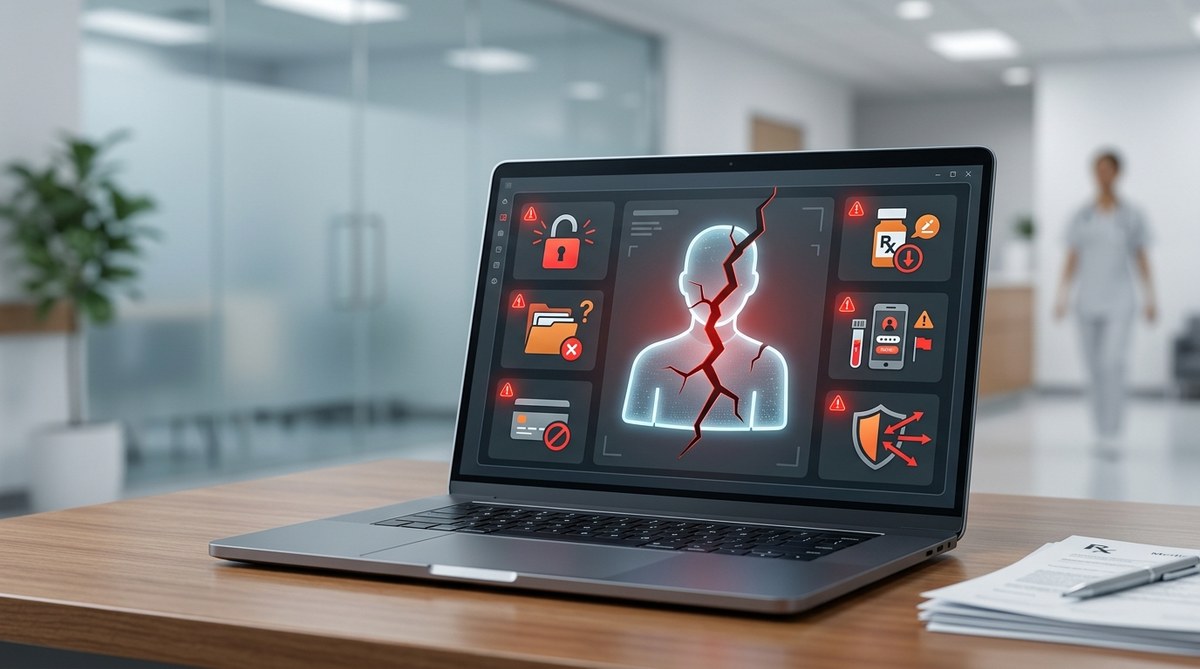
Recognizing the signs that your medical data may be compromised can prevent serious consequences. Cybercriminals and careless mistakes can expose sensitive health information, putting your privacy and safety at risk. Being aware of these warning signs allows healthcare professionals and individuals to respond swiftly and mitigate potential damage. Understanding how attacks happen and what to look for is essential in today’s digital health landscape.
Identifying warning signs of a data breach in healthcare is vital for quick action and protection. Look for unusual account activity, unexpected notifications, or data inconsistencies. Regularly [monitoring your health data security](https://www.cdc.gov/privacy/index.html) helps prevent identity theft, fraud, and privacy loss. Stay alert to these signs and follow best practices to safeguard sensitive information before it’s too late.
How to Spot the Warning Signs of a Medical Data Breach
Healthcare data breaches can happen in many ways. Hackers may exploit vulnerabilities, insiders might misuse access, or accidental leaks could occur. Regardless of how it occurs, early detection is key. Here are the most common signs that your medical data might have been compromised.
1. Unusual or Suspicious Access to Your Medical Records
One of the clearest indicators of a breach is notice of unauthorized access. If you or your organization notice that someone has accessed your health information without proper authorization, it’s a red flag. This includes access outside normal working hours, from unfamiliar locations, or using unknown devices.
- For individuals, this might mean receiving alerts about login attempts from international IP addresses or unfamiliar devices.
- Healthcare providers may see suspicious activity logs in their health information systems, such as admin accounts being used unexpectedly.
2. Unexpected Notifications of Data Breach or Security Alerts
Receiving alerts from your healthcare provider or data security systems about a breach can be alarming. These notifications might include:
- Warnings about failed login attempts.
- Alerts about malware or ransomware attempts.
- Notices of data access from unknown IP addresses.
- Messages indicating that your health records have been altered or deleted.
Never ignore these alerts. They are often the first indication that your data has been compromised.
3. Discrepancies or Errors in Medical Records
Inconsistencies in your health data can point to tampering or unauthorized modifications. For example:
- Suddenly changed medication lists.
- Missing or added appointments.
- Unfamiliar diagnoses or procedures.
- Incorrect personal information.
Such discrepancies may suggest that someone has accessed and manipulated your records for malicious reasons.
4. Unusual Billing or Insurance Activity
Fraudulent use of your health data can lead to unexpected billing charges or insurance claims. Watch for:
- Claims for treatments or prescriptions you did not receive.
- Sudden changes in your insurance policy details.
- Denials or adjustments that do not make sense.
These signs often appear after a data breach, especially when cybercriminals use stolen information for financial gain.
5. Identity Theft or Personal Data Leakage
If you notice that your personal information, such as your name, address, or social security number, has been used fraudulently, it could be linked to a breach. Common signs include:
- Unexpected credit inquiries.
- New accounts opened without your knowledge.
- Calls from debt collectors about unfamiliar debts.
- Receiving mail or emails about accounts you did not create.
6. Increased Spam or Phishing Attempts
Cybercriminals often use stolen health data to target victims with phishing scams. If you start receiving:
- Suspicious emails asking for personal information.
- Fake notifications claiming to be from your healthcare provider.
- Messages with malware attachments.
Be cautious. These can be signs that your data is being exploited.
7. Slow or Malfunctioning Health IT Systems
Healthcare organizations may notice their systems behave abnormally during a breach. Examples include:
- Slow login times.
- Unexpected system crashes.
- Strange pop-up messages.
- Unauthorized changes to system configurations.
Monitoring system performance can help detect breaches early.
Practical Steps to Confirm a Data Breach
If you suspect your medical data has been compromised, follow these steps:
- Conduct a thorough review of your records and activity logs. Look for anomalies or unauthorized access.
- Notify your healthcare provider or IT security team immediately. They can investigate further and take necessary actions.
- Change all passwords and enable multi-factor authentication. Use strong, unique passwords for health portals.
- Monitor your financial and medical accounts closely. Report any suspicious activity to authorities.
- Request a copy of your medical records and review for discrepancies. Verify their accuracy.
Being proactive can limit the damage and help restore your privacy.
How to Minimize Risks and Protect Your Medical Data
The best defense against data breaches involves good habits and security measures. Consider these tips:
- Regularly update passwords and avoid sharing login details.
- Use secure networks, especially when accessing sensitive health information.
- Enable two-factor authentication whenever possible.
- Keep your software and antivirus tools up to date.
- Be cautious of phishing emails and suspicious links.
- Limit access to your health data to trusted personnel.
- Conduct periodic security audits if you manage healthcare systems.
For organizations, developing a comprehensive risk management strategy is crucial. You can start by https://stayprepared.sg/how-to-build-a-risk-assessment-framework-that-actually-works/ to identify vulnerabilities and strengthen defenses.
Techniques and Mistakes in Data Security
| Technique | Common Mistake |
|---|---|
| Regular system updates | Ignoring updates that patch vulnerabilities |
| Multi-factor authentication | Relying solely on passwords |
| Encryption of data at rest | Using weak or no encryption |
| Employee training on security | Underestimating insider threats |
| Access controls and audit logs | Failing to monitor and review activity logs |
Expert advice: “Always treat your health data with the same level of security as financial information. Regular audits and employee awareness are your best defenses against breaches.”
Recognizing and Responding to Data Breaches Quickly
Detecting the warning signs early can save you from severe consequences. Regular monitoring, prompt investigation, and swift action are essential. Remember, the faster you respond, the less damage occurs.
Building Resilience in Healthcare Data Security
Maintaining vigilance is a continuous process. Regular training, technological updates, and risk assessments help create a resilient environment. Stay informed about emerging threats and adapt your security measures accordingly. More information on creating effective risk management processes can be found in
Final thoughts on safeguarding your health information
Protecting medical data requires ongoing effort from both healthcare providers and individuals. By understanding the warning signs and acting swiftly, you can reduce the risk of serious privacy breaches. Stay vigilant, educate your team, and keep your security measures up to date. Your health data is valuable, and safeguarding it is a shared responsibility.
Stay vigilant and take action to protect your health data
The digital age has made health information more accessible but also more vulnerable. Recognizing these warning signs is the first step toward better protection. Make it a habit to monitor your records, stay informed about security best practices, and act immediately if you suspect a breach. Your proactive approach can make all the difference in maintaining your privacy and safety.