
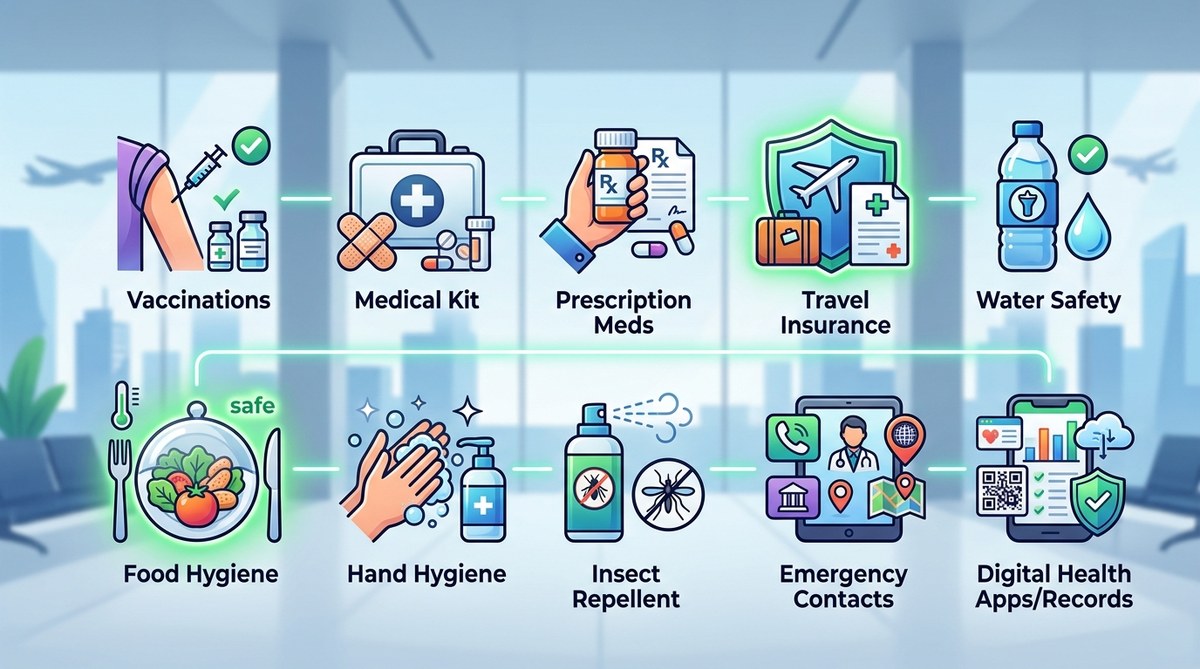
Traveling abroad can be exciting and enriching. Still, it involves risks that can impact your health and safety. Preparedness is key to enjoying your trip without unnecessary worries. Knowing what to do before, during, and after travel helps you stay protected. This guide walks you through the most effective health security measures for international travelers. Use these tips to keep your health intact no matter where your adventures take you.
Staying healthy during international trips requires careful planning, awareness of local health risks, and proactive safety measures. By following essential health security tips, travelers can avoid illness, handle emergencies better, and enjoy their journeys with peace of mind.
Why health security should be part of your travel plan
Taking health precautions isn’t just about avoiding sickness. It also involves understanding local health systems, ensuring your vaccinations are up to date, and preparing for unexpected health issues. When you prioritize health security, you reduce the likelihood of disruptions that can ruin your trip or put your well-being at risk. Plus, being prepared makes you more resilient in unfamiliar environments.
Preparing for your trip: your first line of defense
1. Get vaccinated and carry your medical records
Vaccinations protect you from diseases common in your destination. Check the latest travel advisories and health recommendations from reputable sources like the World Health Organization. Some vaccines may be required for entry or recommended based on your destination. Besides vaccines, carry a copy of your medical history and prescriptions. This information can be vital if you need urgent care abroad.
2. Pack a comprehensive health security kit
A well-stocked health kit should include essentials like hand sanitizers, masks, disinfectant wipes, pain relievers, allergy medications, and basic first-aid supplies. Consider packing a thermometer, insect repellent, and water purification tablets if your destination has specific health risks. Having these items on hand will help you manage minor health issues without scrambling for supplies.
3. Research local health risks and healthcare options
Familiarize yourself with the health infrastructure at your destination. Know where the nearest hospital or clinic is located and understand how to access emergency services. Learn about local health hazards such as contaminated water, vector-borne diseases, or food safety issues. This knowledge allows you to take targeted precautions and act swiftly if needed.
During your trip: staying vigilant and safe
4. Practice good hygiene and social distancing
Frequent handwashing with soap and water remains one of the most effective ways to prevent illness. Use hand sanitizers when soap isn’t available. Wear masks in crowded places or where local health authorities recommend them. Maintain physical distance from others, especially in areas with known outbreaks or high infection rates.
5. Be cautious with food and water
Avoid consuming raw or undercooked foods. Stick to bottled or boiled water for drinking and brushing teeth. Be wary of street food vendors if you’re unsure about hygiene standards. Cooking food thoroughly and drinking safe water reduces the risk of gastrointestinal illnesses.
6. Use protective gear and avoid risky environments
In areas with mosquito-borne diseases like malaria or Zika, apply insect repellent and wear long sleeves and pants. When visiting crowded locations or public events, follow health guidelines and avoid touching surfaces unnecessarily. If you feel unwell, seek medical attention promptly rather than waiting.
7. Monitor your health regularly
Pay attention to any symptoms that develop during your trip. Early detection of symptoms such as fever, rash, or digestive issues allows for quicker intervention. Keep a list of emergency contacts and local clinics. Many destinations have health apps or hotlines that provide guidance.
After returning: safeguarding your recovery
8. Observe and report any health issues
If you experience symptoms after returning, consult a healthcare provider and inform them about your travel history. Early diagnosis helps prevent complications and prevents potential spread if contagious.
9. Maintain good hygiene post-travel
Continue practicing hand hygiene and clean your belongings thoroughly. Stay hydrated and rest as needed. If you suspect you contracted an illness abroad, follow your local health authority’s advice on testing and treatment.
Techniques to maintain health security and common pitfalls
| Technique | Mistake to Avoid |
|---|---|
| Vaccinating before travel | Ignoring updated travel health advisories |
| Carrying a well-stocked kit | Forgetting essential medications |
| Researching local health risks | Assuming healthcare standards are the same as home |
| Practicing hygiene daily | Neglecting to wash hands frequently |
| Drinking bottled water | Using tap water in unsafe areas |
| Using insect repellents properly | Forgetting to reapply regularly |
“Always stay informed about health risks at your destination and take proactive steps. It is better to be over-prepared than underprepared.” — Travel health expert
Staying resilient with a proactive mindset
Travel can expose you to unfamiliar health risks, but with the right knowledge and habits, you can stay protected. Investing time in planning your health security measures for international travelers ensures your safety and peace of mind. Remember, small steps like staying updated on vaccinations and practicing good hygiene can make a big difference. Keep these tips in mind, and enjoy your travels with confidence.
Your health security journey begins with awareness
By integrating these practical health security measures into your travel routine, you set yourself up for a healthier, safer adventure. Each trip is an opportunity to learn and improve your safety practices. Stay vigilant, prepared, and curious about the health landscape of your destination. Your wellbeing is worth the effort. Happy travels!