
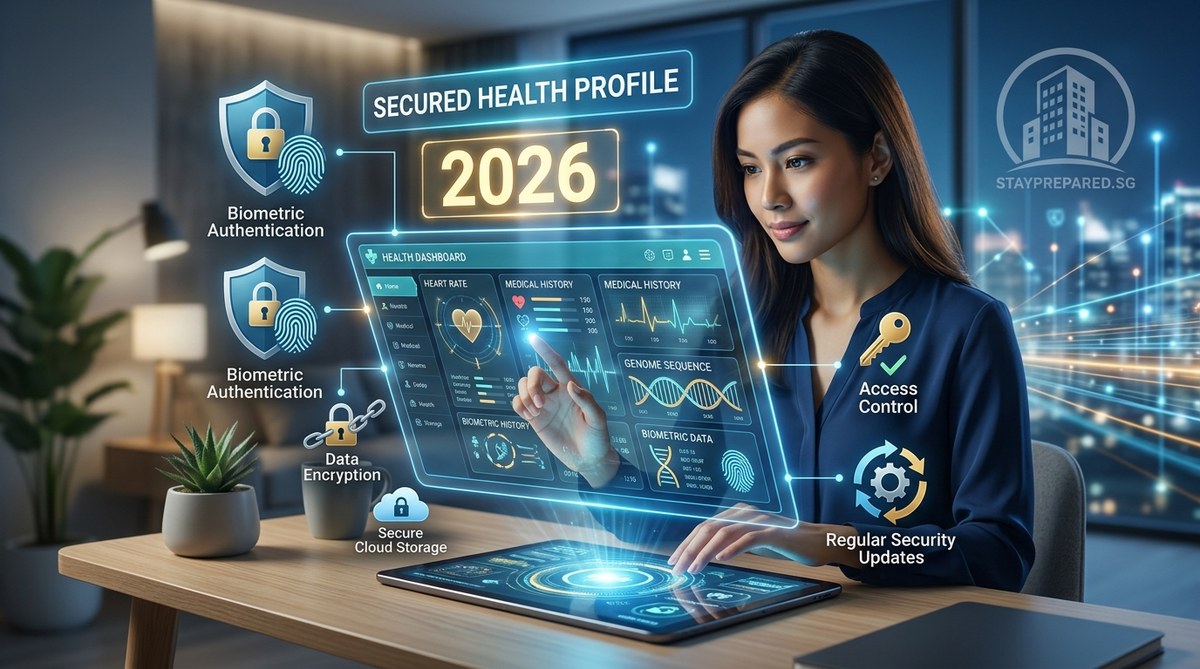
Healthcare professionals, data security officers, and IT specialists face a rapidly shifting landscape in protecting personal health data. As cyber threats become more sophisticated and regulations grow more complex in 2026, staying ahead requires a proactive, informed approach. The key to safeguarding sensitive information lies in adopting robust strategies that align with current threats and compliance requirements. Let’s explore practical health data security strategies that will keep your organization resilient this year and beyond.
Awareness of Evolving Threats and Regulations
Understanding the current threat environment is fundamental. Cybercriminals are constantly developing new methods to access health data. Ransomware attacks targeting healthcare systems are increasing in both frequency and severity. Phishing campaigns are more convincing, often exploiting social engineering tactics to trick staff into revealing login credentials. Meanwhile, regulatory frameworks such as HIPAA updates and state laws continue to tighten, demanding more stringent data protection measures.
Being aware of these evolving risks helps prioritize security efforts. Staying informed through industry alerts, government advisories, and cybersecurity forums can alert you to new vulnerabilities and attack patterns specific to healthcare in 2026.
Practical Strategies to Strengthen Health Data Security
Here are the top strategies to protect personal health data effectively this year:
1. Conduct Regular Risk Assessments
Start by identifying vulnerabilities within your systems. Perform comprehensive risk assessments that include evaluating hardware, software, network configurations, and user practices. Use frameworks like how to build a risk assessment framework that actually works to develop a systematic approach.
Regular assessments help uncover gaps before cybercriminals do. Document findings and update your security measures accordingly. Consider employing both qualitative and quantitative analyses to understand the severity and likelihood of risks.
2. Implement Zero Trust Security Models
Zero Trust shifts the security paradigm from perimeter-based defenses to strict identity verification for every access attempt. This model minimizes risks associated with insider threats and compromised accounts. In practice, it means verifying user identities, devices, and behaviors before granting access to health data.
Applying a Zero Trust approach reduces the chance of unauthorized access even if an attacker breaches initial defenses. It is especially vital with remote work growing and the increasing use of cloud-based health data storage.
3. Enhance User Authentication and Access Controls
Strong, multi-factor authentication (MFA) is no longer optional. Combine passwords with biometrics, security tokens, or one-time passcodes to make unauthorized access significantly more difficult. Also, enforce the principle of least privilege, ensuring staff only access data necessary for their roles.
Use role-based access controls to streamline permissions and monitor access logs consistently. This practice helps detect suspicious activity early and reduces the risk of insider threats.
4. Secure Data in Transit and at Rest
Encryption remains your best line of defense. Encrypt data both when it is stored and during transmission. Use advanced encryption standards like AES-256 for data at rest and TLS 1.3 for data in transit.
Be vigilant about data exposure risks. Regularly audit your encryption protocols and update them if vulnerabilities are discovered. Remember, even a small misconfiguration can expose sensitive health information.
5. Adopt Advanced Threat Detection and Response Tools
Implement tools that monitor network traffic, user behavior, and system activities for signs of malicious activity. Solutions such as Security Information and Event Management (SIEM) systems can aggregate data and provide real-time alerts.
Develop a well-practiced incident response plan that includes steps for containment, eradication, and recovery. Regularly test this plan through simulated attacks to ensure your team is prepared.
6. Train Staff on Cybersecurity Awareness
Your staff often serve as the first line of defense. Conduct ongoing training on recognizing phishing attempts, safe data handling, and reporting suspicious activity. Use real-world scenarios to make training engaging and memorable.
Create a culture of security where everyone understands their role in protecting health data. Remember, hackers frequently exploit human vulnerabilities more than technical flaws.
7. Maintain Compliance with Regulations
Stay current with updates to HIPAA, USCDI v3, and state laws. Regularly review your policies and procedures to ensure compliance. Use checklists like those provided in the 7 common risk management mistakes that could cost your business everything to identify gaps.
Non-compliance can lead to hefty fines and loss of trust. Automated compliance tools can help track regulatory changes and ensure your policies stay aligned.
8. Backup and Disaster Recovery Planning
Regular backups are essential, but they must be secure and tested. Store backups in geographically separate locations. Employ immutable storage options that prevent tampering.
Develop and rehearse a disaster recovery plan that includes steps for quick restoration of health data after an attack. This minimizes downtime and data loss.
Techniques to Avoid Common Pitfalls
| Techniques | Mistakes to Avoid |
|---|---|
| Regular risk assessments | Overlooking emerging threats or outdated protocols |
| Zero Trust implementation | Relying solely on perimeter defenses |
| Multi-factor authentication | Using weak or reused passwords |
| End-to-end encryption | Ignoring encryption for cloud or mobile data |
| Continuous staff training | Assuming staff will inherently recognize threats |
| Automated compliance monitoring | Manual audits that miss recent updates |
Expert Advice on Staying Ahead
“In 2026, the best defense for health data security is a layered approach. Combine technology, policies, and human awareness to create a resilient shield.” — cybersecurity expert
Monitoring, Updating, and Staying Resilient
Health data security is not a one-time effort. Regularly review your security policies and update them based on new threats and regulatory changes. Conduct simulated phishing or breach scenarios to test your team’s readiness. Keep your cybersecurity tools up to date to patch vulnerabilities promptly.
Fostering a culture of continuous improvement ensures your organization remains resilient. Remember, cybercriminals adapt quickly — so should your defenses.
Building a Culture of Resilience in Your Organization
Creating a secure environment requires everyone’s participation. Encourage open communication about security concerns. Recognize and reward vigilance and best practices among staff. Keep leadership engaged, emphasizing that data security is a shared responsibility.
Invest in ongoing education and stay connected with industry forums. Sharing insights and experiences with peers can reveal new tactics and emerging threats. Remember, a well-informed team is your strongest line of defense.
Final Thoughts on Safeguarding Personal Health Data in 2026
Protecting health data in this dynamic environment demands vigilance, adaptability, and a holistic approach. Implementing layered security measures, fostering staff awareness, and maintaining compliance are your best tools. As the landscape evolves, so should your strategies.
By proactively addressing vulnerabilities and cultivating a resilient security culture, your organization can uphold trust, ensure compliance, and safeguard sensitive information. Take these steps to stay prepared and confident in your health data defenses this year.
Protecting Your Digital Health Future
Keeping health data safe in 2026 is achievable when you blend technology, policies, and human awareness. Regularly review your security posture, adapt to new challenges, and promote a culture of vigilance. Your commitment today ensures a more secure and trustworthy healthcare environment tomorrow.