
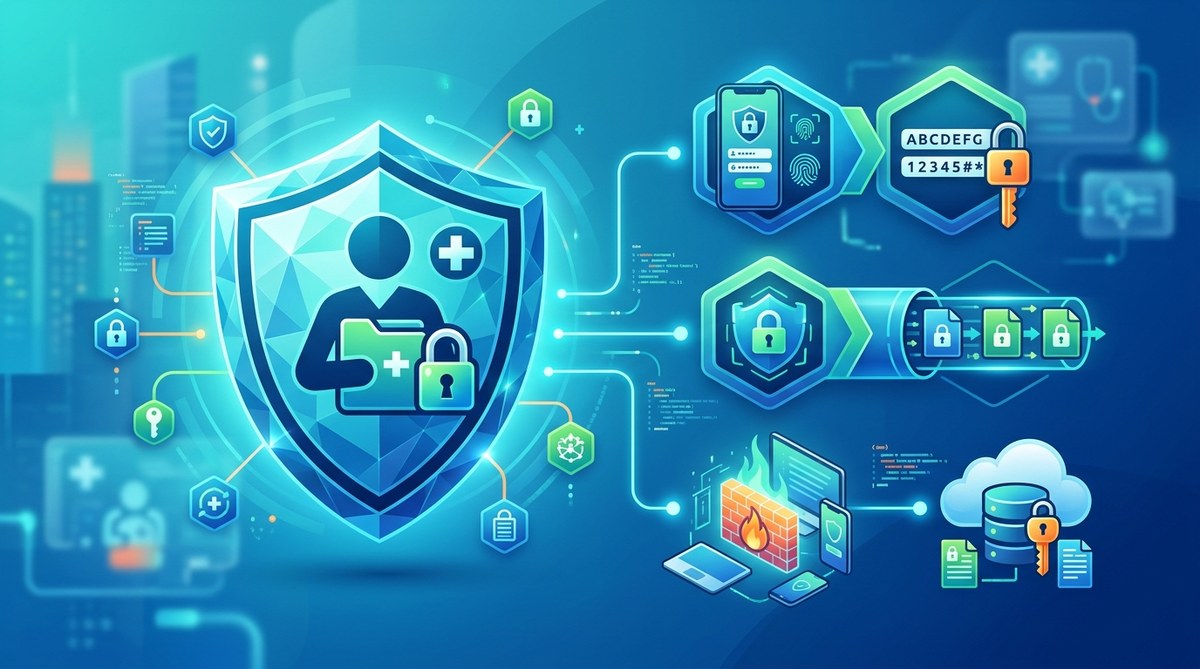
Protecting your personal health data from cyber threats is more important than ever. In a time when health records are stored digitally and shared across platforms, cybercriminals see this information as a lucrative target. Healthcare data is valuable because it contains sensitive details that can be exploited for identity theft, insurance fraud, or blackmail. Whether you’re an individual managing your health records or a healthcare professional safeguarding patient information, understanding how to defend against cyber attacks is essential.
[Safeguarding personal health data requires a combination of strong security practices, awareness of cyber threats, and proactive measures](https://www.who.int/health-topics/data-protection). By implementing effective controls, staying informed, and fostering a security-minded culture, you can significantly reduce the risk of data breaches and keep sensitive health information protected from cyber threats.
Understanding the Risks to Your Health Data
Health data is a prime target for cybercriminals because of its high value and the difficulty in tracking its misuse. Cyber threats range from phishing scams and malware attacks to ransomware and insider threats. Attackers often exploit vulnerabilities in healthcare systems or trick individuals into revealing login credentials. The consequences of a breach can be severe, including identity theft, loss of trust, legal penalties, and financial losses.
For healthcare providers, the stakes are even higher. Protecting patient records isn’t just about compliance with regulations like HIPAA, it’s also about maintaining trust and ensuring patient safety. A single breach can compromise many people’s private information, leading to long-term damage.
Practical Strategies to Protect Personal Health Data
Here are some effective methods to guard your health information against cyber threats:
1. Strengthen Access Controls and Authentication
Access controls determine who can view or modify health data. Use multi-factor authentication (MFA) whenever possible. MFA combines something you know (password) with something you have (security token) or something you are (biometric verification). This layered approach makes it much harder for cybercriminals to gain unauthorized access.
Create strong, unique passwords for all health-related accounts. Avoid common passwords like “password123” or “health2024.” Password managers can help generate and store complex passwords securely. Regularly update your passwords, particularly after any suspected security incident.
2. Keep Software and Devices Up to Date
Cybercriminals often exploit vulnerabilities in outdated software or operating systems. Regularly update your devices, apps, and security software. Manufacturers release patches to fix security flaws that hackers might exploit.
Healthcare organizations should ensure all systems comply with the latest security updates. Automated update settings can help maintain this security posture without requiring manual intervention.
3. Educate Yourself and Your Team on Cybersecurity Best Practices
Cyber threats frequently target human weaknesses. Phishing emails, for example, often appear as legitimate messages from trusted sources. Recognize signs of phishing, such as suspicious links or unexpected requests for personal information.
Healthcare professionals should participate in ongoing cybersecurity training. This can cover topics like recognizing social engineering tactics, safe handling of patient data, and reporting suspicious activity.
“An informed user is your first line of defense against cyber threats,” advises cybersecurity expert Dr. Lisa Moore. She emphasizes that awareness and vigilance are critical in maintaining health data security.
4. Use Secure Networks and Encryption
Avoid connecting to unsecured public Wi-Fi networks when accessing sensitive health information. If you must use public networks, employ a virtual private network (VPN) to encrypt your internet traffic.
Encryption is vital for protecting data both at rest and in transit. Healthcare providers should ensure all health records are encrypted when stored and that data transmitted between systems is encrypted using secure protocols like TLS.
5. Implement Backup and Disaster Recovery Plans
Regularly back up health data to a secure location. In the event of a cyber attack such as ransomware, these backups allow recovery without paying a ransom or losing critical information.
A comprehensive disaster recovery plan defines procedures for responding to security incidents, minimizing downtime, and preserving data integrity.
| Technique | Mistake to Avoid |
|---|---|
| Strong passwords and MFA | Reusing passwords across platforms |
| Regular software updates | Ignoring updates or delaying patches |
| Cybersecurity training | Underestimating the importance of awareness |
| Using VPNs and encryption | Accessing sensitive data over unsecured networks |
| Routine backups | Relying solely on manual or inconsistent backup methods |
Common Mistakes That Leave Health Data Vulnerable
| Mistake | Impact | How to Correct |
|---|---|---|
| Weak passwords | Allows hackers to gain easy access | Use complex, unique passwords and MFA |
| Ignoring software updates | Exploited by cybercriminals | Enable automatic updates and patch promptly |
| Lack of staff training | Human error leads to breaches | Conduct regular cybersecurity awareness sessions |
| Relying on physical security alone | Digital threats go unnoticed | Combine physical and digital security measures |
| No backup plan | Data loss during attacks | Implement routine, encrypted backups |
How Healthcare Professionals Can Lead the Way
Healthcare providers must foster a culture of security. This includes establishing clear policies, conducting regular risk assessments, and staying updated on emerging threats. Create a team responsible for cybersecurity, and involve staff at all levels.
Invest in security tools such as intrusion detection systems, antivirus software, and secure file-sharing platforms. Conduct simulated phishing exercises to test staff response and improve resilience.
Staying Ahead of Evolving Cyber Threats
Cybercriminals constantly adapt their tactics, making ongoing vigilance crucial. Regularly review security protocols and update them as needed. Subscribing to cybersecurity alerts and industry news can help you stay informed about new vulnerabilities and attack methods.
Healthcare organizations should consider conducting periodic risk assessments. These evaluations identify vulnerabilities and guide resource allocation for mitigation efforts. For more guidance on creating a comprehensive risk framework, you can look into
Building a Resilient Health Data Environment
Protection of personal health information demands a proactive mindset. Combine technical safeguards with policies and training to create a resilient environment. Remember that cyber security is not a one-time effort but an ongoing process.
Encourage open communication about security concerns and create channels for reporting suspicious activity without fear of blame. The more engaged everyone is, the stronger your defenses become.
Protecting Your Health Data Is a Shared Responsibility
Everyone plays a role in keeping health information safe. Whether you are managing your data at home or working within a healthcare setting, applying these practices will help defend against cyber threats. Simple steps like using strong passwords, staying vigilant for phishing attempts, and keeping devices secure make a big difference.
Stay informed about recent threats and best practices. Regularly review your security measures and adapt as needed. Remember, cyber security is an ongoing journey, and your efforts today will help safeguard your health information tomorrow.
Empowering Yourself and Others to Keep Health Data Secure
In the end, protecting personal health data from cyber threats is about awareness, discipline, and continuous improvement. By integrating these strategies into daily routines and organizational policies, you can create a safer environment for everyone’s sensitive information. Take practical steps now to reinforce your defenses and foster a culture of security. Your health data is valuable—treat it with the care it deserves.