
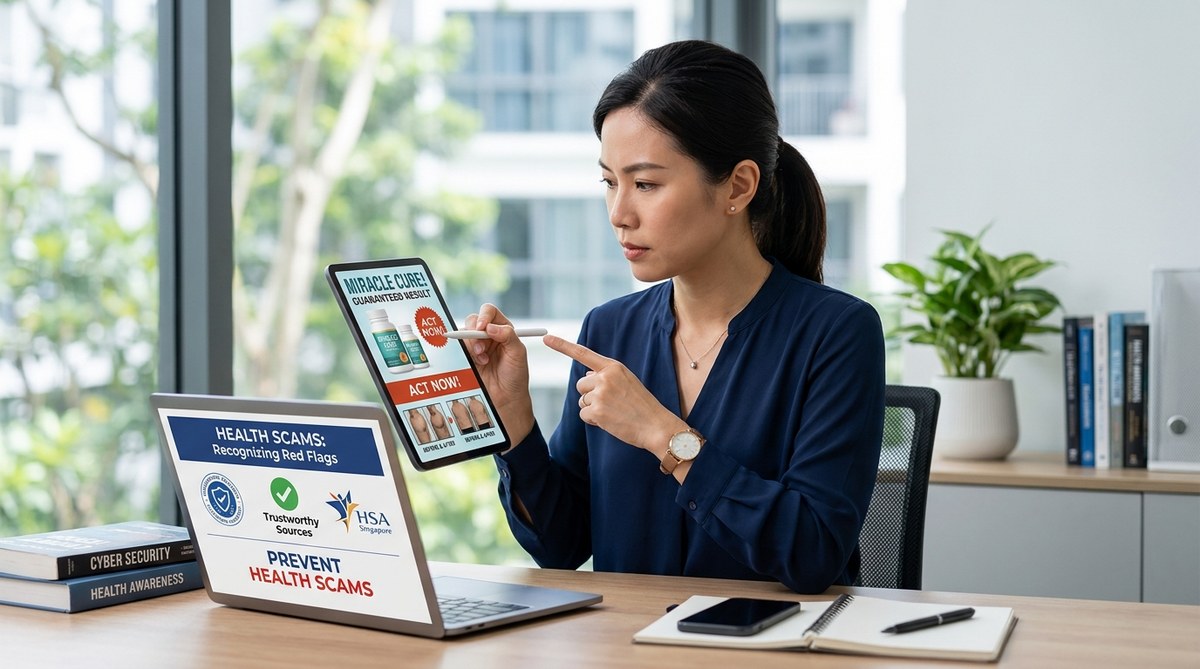
Recognizing health scams online can be tricky. Cybercriminals are constantly finding new ways to trick people into falling for false cures, bogus treatments, or fake health products. With the rise of digital platforms, scams have become more sophisticated. They often look convincing and prey on fears, hopes, or urgent health concerns. Staying informed is your best defense. Knowing the common signs of scams and how to protect yourself helps you make safer choices and avoid falling victim to fraud.
Health scams in the digital age are increasingly sophisticated. Recognizing common tricks, verifying sources, and following safety steps are crucial to protect your health and finances online. Stay cautious and informed to avoid falling prey to false claims and fraudulent schemes.
How health scams have adapted to the digital age
The internet has made it easier for scammers to reach a broad audience quickly. Unlike traditional scams which relied on face-to-face interactions or printed ads, digital scams can be highly targeted and personalized. Scammers use social media, emails, fake websites, and messaging apps to lure victims. They often impersonate trusted health authorities or promote miracle cures that seem too good to be true. Because information spreads rapidly online, spotting these scams requires vigilance and a keen eye for detail.
Common tactics used in health scams online
Scammers deploy various tricks to deceive unsuspecting users. Understanding these tactics helps you recognize potential scams before you get caught.
Fake health claims and miracle cures
One of the most common tactics involves promising quick fixes or miraculous cures. Ads might claim that a supplement, cream, or treatment can cure serious illnesses like cancer, diabetes, or COVID-19 without scientific backing. These claims often come with before-and-after photos that look convincing.
Impersonation of trusted authorities
Scammers frequently pretend to be government agencies, health organizations, or well-known medical professionals. They send emails or messages that look official, urging you to click links or share personal information. Always verify the source before trusting any unsolicited communication.
Phony product reviews and testimonials
Fake testimonials are used to build credibility. Scammers may create websites or social media posts with fabricated success stories. These are designed to convince you that a product is effective and safe.
Urgency and pressure tactics
Scammers create a sense of urgency, claiming limited-time offers or warnings about health emergencies. They pressure victims to act quickly, such as making a purchase or sharing sensitive data. Take your time and verify before responding.
How to tell the difference between real health information and scams
Distinguishing trustworthy health information from scams is vital. Here are some tips:
- Check the source: Look for websites ending with .gov, .org, or established medical institutions like the World Health Organization or reputable hospitals.
- Look for scientific evidence: Genuine health claims are backed by peer-reviewed studies. Be wary of claims lacking references or citing unverified sources.
- Beware of sensational language: Scams often use exaggerated words like “miracle,” “cure-all,” or “instant results.” Real health advice is balanced and evidence-based.
- Verify contact details: Confirm contact information matches official channels. Scammers often use fake phone numbers or email addresses.
- Be cautious of free offers: Offers that seem too generous or promise free treatments often aim to steal your money or data.
Practical steps to protect yourself from health scams
Here are three steps to stay safe:
- Verify before you trust: Always cross-check health claims with official health authorities or professionals. If in doubt, consult your doctor.
- Use secure sources: Rely on reputable websites like government health departments or recognized medical institutions. Avoid clicking on links from unknown sources.
- Guard your personal information: Never share sensitive data like your health records, bank details, or passwords unless you are certain of the recipient’s legitimacy.
Common mistakes that increase scam risks
| Techniques scammers use | Mistakes to avoid |
|---|---|
| Falling for urgent messages | Ignoring verification steps |
| Clicking on suspicious links | Sharing personal info with unverified sources |
| Buying from untrusted websites | Overlooking website security signs (like HTTPS) |
| Relying on hearsay or social media reviews | Not verifying claims through official channels |
“Always remember that if something sounds too good to be true, it probably is. Take the time to verify, and don’t rush into decisions based on fear or urgency.” — Cybersecurity expert
How scammers exploit the digital landscape
Scammers constantly adapt their techniques to exploit new technology. They use fake apps, clone legitimate websites, and send convincing phishing emails. Sometimes they create fake social media accounts that look like official pages. Their goal is to steal money, personal data, or health information. Being aware of how they operate helps you stay one step ahead.
Practical advice for staying safe online
- Verify sources: Use only reputable health websites and official government portals.
- Be skeptical of unsolicited messages: If you receive a message about a health offer or emergency, double-check through official channels.
- Update your devices: Keep your computers and smartphones updated with the latest security patches.
- Use strong, unique passwords: Protect your online accounts from hacking.
- Enable two-factor authentication: Adds an extra layer of security to your accounts.
When you suspect a health scam
If you come across a suspicious health claim or believe you have been targeted:
- Do not respond or click any links.
- Report the scam to relevant authorities such as the Singapore Police Force or the Health Sciences Authority.
- Share your experience with friends or family to prevent them from falling prey.
- Consult a healthcare professional if you have already acted on a scam and experienced financial or data loss.
Keeping your health safe in the digital age
Staying informed about common health scams and practicing safe online habits can save you from a lot of trouble. Remember, legitimate health organizations prioritize transparency and evidence. When in doubt, consult trusted sources or seek advice from health professionals. Your health and finances are too important to risk on false promises.
Stay vigilant and trust your instincts
The digital world offers many benefits, but it also comes with risks. Being cautious, verifying information, and following safety steps are your best tools. Take time to educate yourself about common scam tactics. Share this knowledge with others so everyone can stay safe. A little awareness goes a long way in protecting your health and your peace of mind.
By implementing these tips and staying alert, you can navigate the digital landscape confidently. Protecting yourself from health scams is an ongoing process. Keep yourself informed and remain skeptical of offers that seem too good to be true. Your health and security depend on it.