
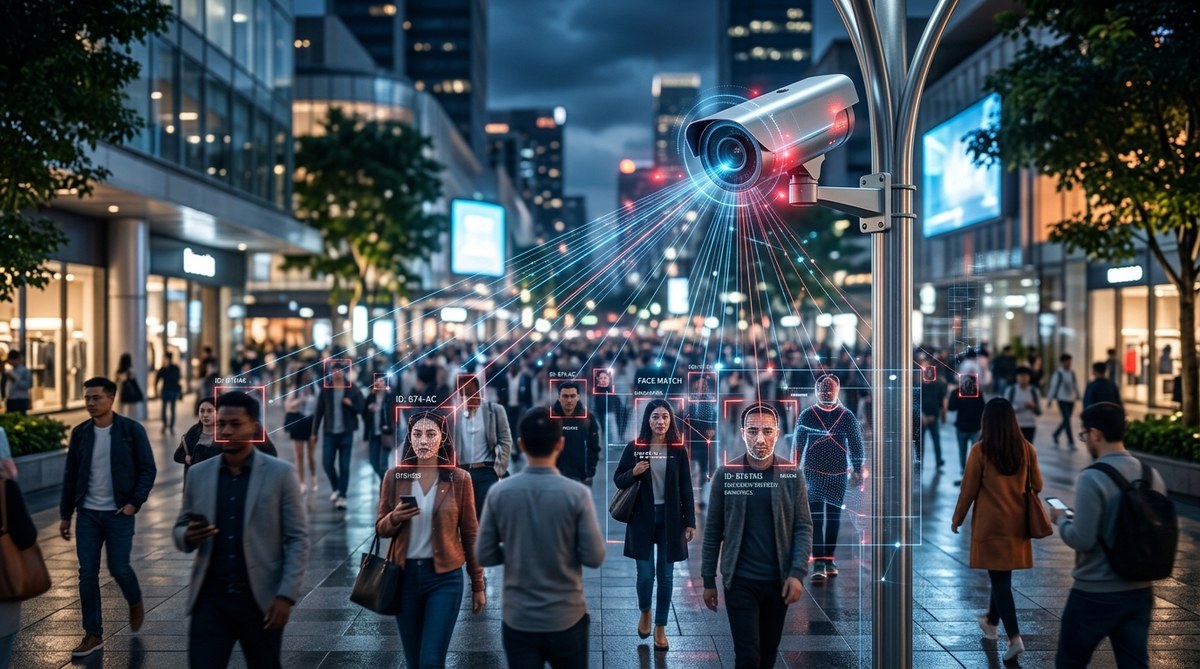
Public spaces are becoming increasingly monitored thanks to advances in artificial intelligence. While this technology promises benefits like improved security and traffic management, it also raises serious concerns about privacy, misuse, and societal control. As AI surveillance becomes more widespread, understanding its hidden dangers is vital for researchers, privacy advocates, policymakers, and concerned citizens. This article sheds light on the risks and offers practical steps to stay informed and resilient in an era of pervasive monitoring.
AI-powered surveillance in public spaces poses significant risks to privacy, civil liberties, and societal freedom. Understanding these dangers helps citizens and policymakers develop safeguards and responsible policies to prevent misuse and protect fundamental rights.
Understanding the scope of AI surveillance in public spaces
Artificial intelligence has transformed surveillance from simple camera footage to advanced facial recognition, behavior analysis, and predictive policing. Governments and private entities deploy these systems to monitor crowds, detect threats, and even anticipate criminal activity. Although these tools can bolster security, they also threaten individual privacy and civil rights.
The danger lies not just in the technology itself but in how it can be misused. Without proper checks, AI surveillance may lead to mass profiling, unwarranted surveillance, and a society where citizens are constantly watched. These issues are especially pressing in places where regulations lag behind technological advancements.
The major risks of AI surveillance in public areas
AI surveillance systems can seem beneficial, but they carry several critical dangers that often go unnoticed or unaddressed. Here are some of the most pressing concerns:
1. Erosion of privacy rights
AI systems can track individuals across different locations without their knowledge. Facial recognition cameras in public parks, streets, and transit stations can identify and log people’s identities, movements, and behaviors. This constant monitoring reduces personal privacy to a minimal level, creating a society where privacy becomes an illusion.
2. Bias and unfair targeting
AI algorithms are only as good as the data they learn from. Many facial recognition systems and predictive tools have demonstrated biases, especially against marginalized communities. These biases can lead to false identifications, wrongful arrests, or discriminatory treatment, intensifying social inequalities.
3. Chilling effect on society
Knowing they are under constant watch can cause people to alter their behavior. This phenomenon, called the chilling effect, discourages free expression and assembly. Citizens may avoid protests, gatherings, or even daily routines if they fear being watched or flagged by AI systems.
4. Data misuse and breaches
Collected data is valuable and vulnerable. Hackers or malicious actors can target surveillance databases, leading to data breaches exposing personal information. Even lawful use can be problematic if data is shared or sold without consent, risking privacy violations.
5. Lack of accountability and oversight
Many AI surveillance systems operate in a legal gray area. Lack of clear regulations means agencies and companies can deploy these tools with limited oversight. Without accountability, misuse or abuse becomes more likely, eroding trust in public institutions.
6. Potential for authoritarian control
In authoritarian regimes, AI surveillance can become a tool for social control rather than security. Mass monitoring enables suppression of dissent, censorship, and suppression of opposition voices. Even in democracies, unchecked surveillance can slide toward authoritarian tendencies.
Practical steps to mitigate risks and stay protected
While the deployment of AI surveillance in public spaces is a complex issue, citizens and policymakers can take concrete actions to address the dangers effectively:
1. Advocate for clear regulations and transparency
Push for laws that require transparency in how surveillance data is collected, stored, and used. Policies should mandate independent oversight and strict limits on data retention and sharing. Citizens can support initiatives that demand accountability from authorities and private companies.
2. Stay informed about surveillance technologies
Understanding which systems are deployed in your community helps you recognize potential privacy violations. Follow local news, attend public hearings, and participate in discussions about surveillance policies. Being aware enables you to advocate for responsible use.
3. Use privacy-protecting tools
Employ tools like VPNs, encrypted messaging, and ad-blockers to limit exposure to intrusive systems. While these tools cannot stop surveillance entirely, they provide an extra layer of protection against unwarranted data collection.
4. Support privacy advocacy groups
Organizations working to defend digital rights can influence policy and raise awareness about the dangers of AI surveillance. Supporting such groups amplifies efforts to create balanced laws and responsible AI deployment.
5. Engage with policymakers
Participate in public consultations, sign petitions, or write to local representatives to express concerns about surveillance expansion. Politicians are more likely to act when their constituents voice worries about privacy and civil liberties.
6. Promote ethical AI development
Encourage developers and companies to adopt ethical standards that prioritize privacy, fairness, and human rights. Supporting transparent, bias-aware systems reduces the chance of misuse and societal harm.
Techniques used and common mistakes in AI surveillance
Understanding how AI surveillance works—and where pitfalls lie—can help citizens and officials avoid mistakes. Here is a simplified table to clarify:
| Technique | Common Mistake |
|---|---|
| Facial recognition | Relying on biased algorithms without validation |
| Behavior analysis | Ignoring ethical implications of profiling |
| Predictive policing | Over-policing minor offenses based on flawed data |
| Data aggregation | Collecting data without clear purpose or consent |
| Real-time tracking | Failing to set limits on data retention and access |
Missteps in deploying or regulating these techniques can lead to privacy violations and societal harm. Vigilance and informed oversight are key.
Expert advice on safeguarding rights
“The key to protecting ourselves from AI surveillance is active engagement and clear regulation. Citizens must demand transparency and oversight, ensuring technology serves society, not controls it.” — Dr. Lisa Chen, privacy rights expert
How to build resilience against surveillance threats
To stay resilient, follow these practical steps:
- Demand transparency from local authorities and companies deploying surveillance tools.
- Educate yourself about the specific systems in your area.
- Use privacy tools like encrypted communication and anonymous browsing.
- Participate in public discourse to shape policies that limit intrusive surveillance.
- Support organizations fighting for digital rights and privacy protections.
- Advocate for ethical AI development that includes bias mitigation and accountability.
A future worth shaping
The dangers of AI surveillance in public spaces are real but manageable with awareness and action. Citizens, policymakers, and developers all have roles in shaping a society where security does not come at the expense of privacy. By staying informed and proactive, you can help foster a balanced approach that respects individual rights while maintaining public safety.
Remaining vigilant and engaged is the best way to ensure surveillance technology serves the common good, not just hidden interests. The choices made today will influence the society we live in tomorrow. Be part of the conversation and advocate for responsible use of AI in public spaces.