
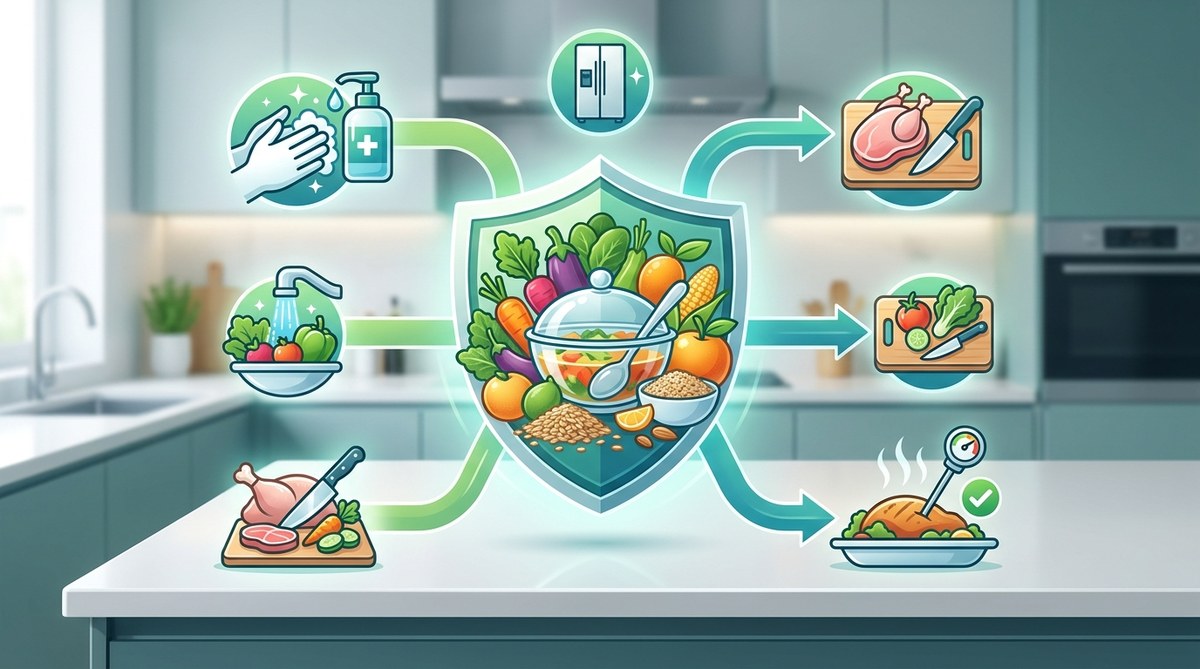
Preventing foodborne illnesses is essential for maintaining good health and enjoying meals without worry. Contaminated food can cause serious health issues, especially if proper precautions are not followed. Whether you’re cooking at home, dining out, or shopping for groceries, understanding how to protect yourself from foodborne pathogens is a vital part of food safety. This guide offers straightforward advice to help you reduce risks and keep your food, and yourself, safe.
This foodborne illness protection guide provides clear, actionable steps to prevent contamination and illness. From proper food handling to cooking tips, stay informed and resilient with practical advice everyone can follow for safer eating experiences.
Understanding foodborne illnesses and their impact
Foodborne illnesses are infections caused by consuming contaminated food or drinks. They can be caused by bacteria, viruses, parasites, or toxins produced by microbes. Common pathogens include Salmonella, E. coli, Listeria, and Norovirus. These illnesses often cause symptoms like nausea, vomiting, diarrhea, and fever. In severe cases, they can lead to hospitalization or long-term health issues.
The risk factors are numerous. Contamination can happen at any stage—from farm to table. Poor hygiene, improper storage, undercooking, and cross-contamination are typical culprits. Recognizing how these risks occur is the first step toward prevention.
Key foods that pose higher risks
Certain foods are more likely to harbor harmful microbes. These include:
- Raw or undercooked meats and poultry
- Unpasteurized dairy products
- Raw seafood and shellfish
- Fresh produce that isn’t washed properly
- Ready-to-eat deli meats and salads
Understanding these high-risk foods helps you focus on handling them with extra care. Being cautious with these items can significantly lower your chances of falling ill.
Practical steps to shield yourself from foodborne threats
Following a systematic approach can make food safety manageable. Here are three core processes to incorporate into your routine:
-
Clean thoroughly and often
Always wash your hands with soap and water before handling food. Clean all surfaces, cutting boards, and utensils after each use. This reduces the chance of transferring microbes from one food to another. -
Separate foods to prevent cross-contamination
Keep raw meats, seafood, and poultry separate from ready-to-eat foods. Use different cutting boards and utensils for raw and cooked items. Store raw products below cooked or ready-to-eat foods in the fridge. -
Cook to safe temperatures and chill promptly
Use a food thermometer to verify that meats reach the recommended internal temperature. For instance, poultry should reach at least 165°F (74°C). Refrigerate leftovers within two hours of cooking and keep your fridge at 40°F (4°C) or lower.
Additional tips for food safety at home and beyond
- Wash fruits and vegetables under running water before eating or cooking.
- Thaw frozen foods in the refrigerator, not on the counter.
- Reheat leftovers to steaming hot, ensuring they are evenly heated.
- Avoid consuming raw or undercooked eggs, seafood, or meats, especially if you are pregnant, elderly, or immunocompromised.
Techniques and common mistakes in food safety
| Technique | Mistake to Avoid |
|---|---|
| Using a food thermometer | Guessing cooking times without verification |
| Keeping raw meat on the bottom shelf of the fridge | Storing raw foods above cooked foods, risking drip contamination |
| Washing raw chicken | Spreading bacteria to sink and other surfaces |
| Thawing food at room temperature | Allowing bacteria to multiply rapidly |
A food safety expert emphasizes: “Regularly checking internal food temperatures and maintaining cleanliness are the most effective ways to prevent foodborne illnesses. Never rely solely on appearance or smell to judge if food is safe.”
Safe food handling in various environments
Shopping smart and avoiding risky purchases
Inspect packaging for damages or leaks. Choose pasteurized dairy products and avoid buying pre-cut, ready-to-eat produce that appears damaged. Remember, damaged containers can harbor bacteria that might cause illness.
Proper storage and thawing methods
Always refrigerate perishable items promptly. When thawing, plan ahead and use the refrigerator or microwave. Thawing at room temperature allows bacteria to grow rapidly, increasing risk.
Cooking and reheating tips
Cook meats thoroughly, following guidelines from food safety authorities. Reheat leftovers until they reach at least 165°F (74°C). Do not leave cooked food at room temperature for more than two hours.
Handling leftovers and eating out
Store leftovers in airtight containers and consume within a few days. When eating out, choose establishments with good hygiene practices. Be cautious with raw foods and ask about food preparation methods if unsure.
When to be extra cautious about food safety
Certain groups such as pregnant women, young children, older adults, and those with weakened immune systems should take additional precautions. They are more susceptible to severe foodborne illnesses. Avoid high-risk foods and ensure thorough cooking and hygiene practices.
Keeping your kitchen and food environment safe
| Technique | Mistake to Avoid |
|---|---|
| Regularly cleaning kitchen surfaces | Neglecting cleaning after handling raw foods |
| Using separate utensils for raw and cooked foods | Reusing cutting boards without washing |
| Storing leftovers properly | Freezing leftovers without labeling or proper packaging |
| Monitoring refrigerator temperature | Leaving fridge door open for long periods |
Expert advice for resilient food safety practices
“Adopting consistent habits like washing hands, cooking foods properly, and storing items correctly can drastically reduce your risk of foodborne illnesses,” advises a food safety specialist. “Taking a few extra minutes to verify the temperature or sanitize surfaces makes a big difference.”
Staying informed and prepared for food safety challenges
Keeping up with recalls and food safety alerts is crucial. Sign up for updates from trusted sources like local health departments or food safety agencies. Being aware of current issues helps you avoid contaminated foods and act swiftly if needed.
Cultivating a food safety mindset
Building habits around cleanliness, proper storage, and thorough cooking creates a safer eating environment. Remember that safety is a continuous process. Regularly review your practices and update them based on new information or guidelines.
Final thoughts on safeguarding your meals
Every meal is an opportunity to practice good food safety. Simple steps like washing your hands, avoiding cross-contamination, and cooking to proper temperatures protect your health. Making these habits routine ensures your food remains safe and your family stays healthy. Stay vigilant, stay informed, and enjoy your meals with confidence.