
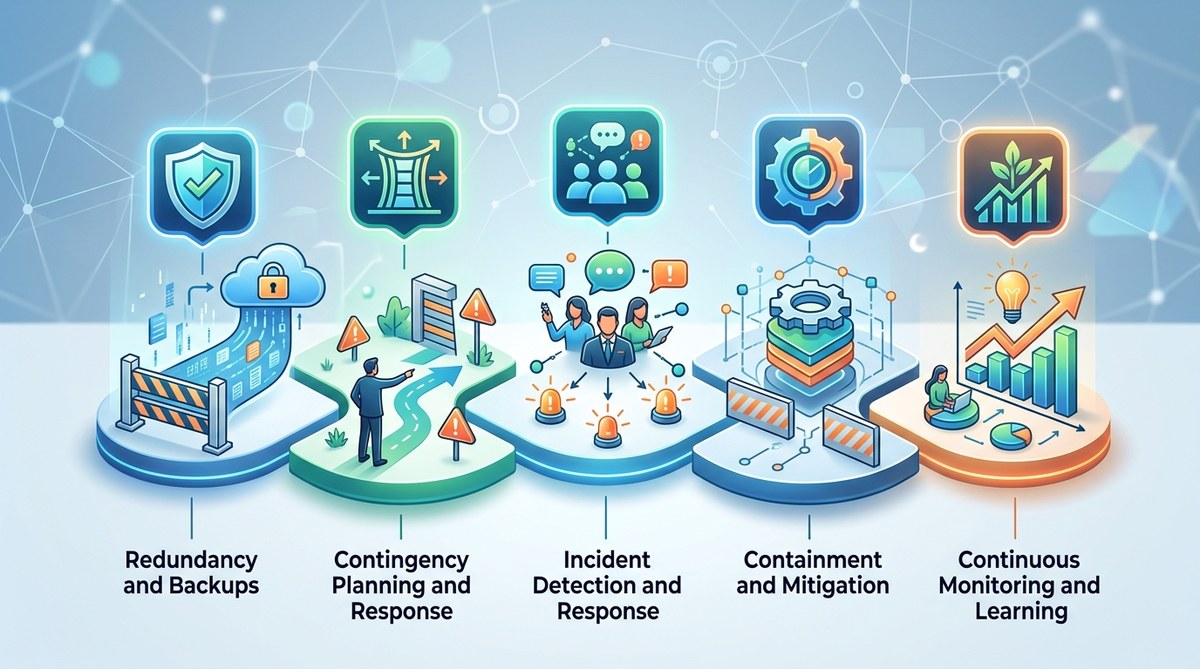
When it comes to managing risks in business, prevention is always the first line of defense. You put policies in place, train your team, and implement security measures. But what happens when those efforts aren’t enough? Risks can still slip through, whether it’s a cyberattack, a supply chain disruption, or a health crisis. That’s where risk mitigation strategies when prevention isn’t enough come into play.
Understanding how to respond effectively to unavoidable risks can make the difference between resilience and disaster. It’s about being prepared to act swiftly and smartly, minimizing the impact when things go wrong. This guide will walk you through practical approaches, real-world examples, and common pitfalls to avoid in your risk management journey.
Even with strong prevention measures, risks can still materialize. Developing robust mitigation strategies involves identifying residual risks, implementing response plans, and continuously monitoring threats to protect your business effectively.
Recognizing the Limits of Prevention
Prevention measures are vital. They help reduce the likelihood of risks and deter threats from materializing. However, no system is foolproof. Cybercriminals may find new ways to breach defenses, suppliers can fail, and unexpected health emergencies can arise. When prevention is not enough, organizations need strategies to handle the inevitable.
Risk mitigation strategies focus on reducing the severity and consequences of risks that do occur. They are about resilience, recovery, and adaptation. Knowing how to respond when prevention fails is essential for maintaining business continuity and safeguarding your assets.
Five Strategies to Manage Risks When Prevention Isn’t Enough
Here are five proven approaches that can help you stay resilient even when risks materialize despite your best efforts.
1. Develop and Regularly Test an Incident Response Plan
Having a clear plan for responding to incidents is crucial. This plan should outline specific steps your team will take during a crisis, assign responsibilities, and include communication protocols. Regular testing through drills ensures everyone knows their role and can act swiftly.
For example, a cybersecurity incident response plan might include procedures for isolating affected systems, notifying stakeholders, and restoring data from backups. If your team practices these steps periodically, response time improves, and damages are minimized.
2. Invest in Real-time Monitoring and Threat Detection
Continuous monitoring tools help detect threats as they happen. They provide early warnings of suspicious activities, enabling faster responses. For health security, this could mean using contact tracing and health surveillance systems to identify emerging outbreaks.
In cybersecurity, solutions like intrusion detection systems alert you to breaches in real-time. This proactive approach allows your team to contain threats before they escalate, even if initial prevention measures failed.
3. Build Redundant Systems and Safeguards
Redundancy means having backup systems ready to take over if primary ones fail. This applies to data backups, supply chains, communication channels, and more.
For instance, maintaining off-site backups for critical data ensures that you can recover information after a ransomware attack. Similarly, dual sourcing suppliers can prevent disruptions if one supplier fails.
4. Strengthen Response Capabilities with Cross-Training
Cross-training staff ensures multiple team members can handle critical functions during a crisis. This flexibility accelerates response times and reduces dependency on single points of failure.
Imagine your IT team also trains in crisis communication. During a cyberattack, they can coordinate technical responses while others handle public messaging. This layered defense enhances your organization’s capacity to respond effectively.
5. Establish Clear Communication and Stakeholder Management
Transparent, timely communication reduces confusion and builds trust during crises. Designate spokespersons, craft key messages in advance, and keep stakeholders informed throughout the incident.
For health emergencies, regularly updating employees and customers about safety measures can prevent panic. In cyber incidents, informing affected clients about data breaches and steps taken fosters trust and compliance.
Practical Processes for Implementing Risk Mitigation
Implementing these strategies requires structured steps. Here are three practical processes to embed within your organization.
-
Conduct a Residual Risk Assessment
After prevention efforts, evaluate what risks remain. Use frameworks like https://stayprepared.sg/how-to-build-a-risk-assessment-framework-that-actually-works/ to identify vulnerabilities that could still cause harm. This assessment guides your mitigation priorities. -
Develop a Response Playbook
Create a detailed guide for different incident types. Include checklists, contact lists, and escalation procedures. Regularly update and rehearse the playbook to keep it relevant. -
Monitor and Review
Set up ongoing monitoring systems and review your mitigation plan periodically. Adjust strategies based on emerging threats and lessons learned from past incidents.
Common Mistakes to Avoid in Risk Mitigation
While developing your strategies, steer clear of these pitfalls:
| Mistake | Explanation | How to Avoid |
|---|---|---|
| Overlooking residual risks | Assuming prevention covers everything | Regular risk assessments and updates |
| Underestimating response time | Not preparing for swift action | Practice response drills frequently |
| Ignoring communication plans | Failing to inform stakeholders | Develop and test communication protocols |
| Relying solely on technology | Neglecting human factors | Cross-train staff and foster awareness |
| Failing to review and adapt | Sticking to outdated plans | Schedule periodic reviews |
Expert Advice on Resilient Risk Management
“The key to effective risk mitigation is understanding that no system is invulnerable. Your goal should be to reduce impact through preparation, response, and recovery. Continuous improvement is vital in staying ahead of evolving threats.” — Risk management specialist, Jane Lee
Building a Resilient Future for Your Business
Even with comprehensive prevention measures, risks can still materialize. The ability to respond swiftly and effectively makes all the difference. Developing a layered approach that includes incident response planning, real-time detection, redundancy, staff training, and stakeholder communication creates a resilient organization.
Start by assessing your residual risks and creating an action plan tailored to your business’s specific vulnerabilities. Regular drills and reviews keep your team prepared, ensuring you can face unexpected challenges with confidence.
By adopting these strategies, you turn potential crises into manageable events. Resilience isn’t about eliminating all risks but about being ready to handle them when prevention alone isn’t enough. Stay proactive, stay prepared, and keep your business resilient.