
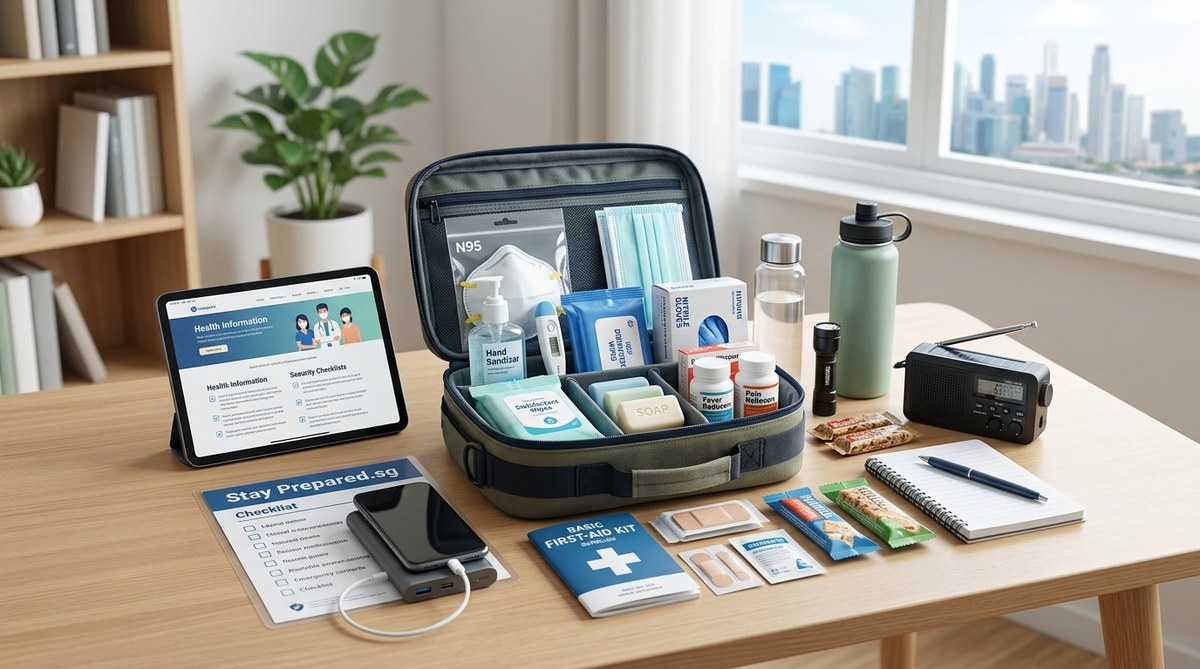
Building a robust personal pandemic preparedness kit is essential in today’s unpredictable world. It’s not just about having some supplies on hand. A well-thought-out kit can make a real difference in how you handle health emergencies, especially during outbreaks of contagious diseases. Whether you are preparing for a local health crisis or a global pandemic, having the right supplies and a clear plan in place helps you stay resilient. This guide walks you through creating a personal pandemic preparedness kit that actually works, so you can face health challenges with confidence.
A personal pandemic preparedness kit is a carefully assembled collection of essential health and safety items designed to protect you and your loved ones during health crises. Building this kit involves planning, customizing for your needs, storing supplies properly, and regularly updating it to ensure readiness when it matters most.
Understanding The Importance Of A Personal Pandemic Preparedness Kit
Having a personal pandemic preparedness kit is more than just a safety measure. It is a proactive step that ensures you can maintain health, hygiene, and safety without relying solely on external aid or healthcare facilities. During a pandemic, health services can become overwhelmed, and supply chains may be disrupted. A kit gives you the resources to stay home, reduce exposure, and manage minor health issues until professional help is available.
A well-prepared kit also minimizes panic. When you know you have what you need, you can focus on staying calm and following health guidelines. It’s about empowering yourself with the right tools and knowledge to handle health emergencies effectively.
How To Build Your Personal Pandemic Preparedness Kit
Creating an effective personal pandemic preparedness kit involves several steps. Follow these practical processes to ensure your kit is comprehensive and tailored to your household’s needs.
1. Start with core health essentials
Begin by gathering items that support your health and hygiene. These form the foundation of your kit. Think about:
- Face masks (N95, surgical masks)
- Hand sanitizers with at least 60% alcohol
- Disinfectant wipes
- Thermometer for monitoring fever
- Basic first aid supplies including bandages, antiseptic creams, and pain relievers
- Personal medications (prescription drugs, allergy medicines)
2. Stock up on food and water supplies
During a pandemic, access to fresh food may be limited. Stock non-perishable items that can last weeks. These include:
- Canned foods (soup, vegetables, fish)
- Dried grains and pasta
- Ready-to-eat snacks
- Bottled water or water purification tablets if you have a backup source
- Baby or special dietary foods if needed
3. Prepare for hygiene and sanitation
Good hygiene is critical during health crises. Include:
- Extra soap and handwash bottles
- Feminine hygiene products
- Laundry detergent for washing clothes
- Trash bags and disposal supplies
- Personal cleaning supplies like toothbrushes, toothpaste, and facial tissues
4. Add communication and safety tools
Stay connected and informed. Pack:
- Battery-powered or hand-crank radio
- Mobile phone chargers, including portable power banks
- Emergency contact list
- Flashlights and extra batteries
- Personal identification and health records in a waterproof container
5. Customize based on household needs
Consider who lives in your home. Include supplies for children, seniors, pets, or anyone with specific health conditions. For example, diabetics may need their medication, while pet owners should include pet food and supplies.
6. Store supplies properly
Choose a clean, dry, and accessible location. Use clear containers or storage bins for easy identification. Keep your kit in a place everyone knows and can reach quickly.
7. Maintain and rotate your kit
Regularly check expiration dates. Replace expired items and update supplies based on changing needs. Practice using your kit so everyone knows what to do during an emergency.
Practical tips for assembling your kit
| Technique | Common mistake | Advice |
|---|---|---|
| Overloading with unnecessary items | Carrying items you rarely use | Focus on essentials first, then add specialty supplies |
| Storing supplies in inaccessible places | Hiding kit in hard-to-reach areas | Keep it in a visible, easy-to-reach spot known to all household members |
| Ignoring expiration dates | Forgetting to check supplies | Set a schedule to review your kit every six months |
| Not customizing for household needs | Using a generic kit | Tailor your kit to your specific health and household requirements |
An expert advice: “A personal pandemic preparedness kit should be flexible and adaptable. Think of it as your health safety toolbox — always update it based on new information and your household’s evolving needs.”
Common mistakes to avoid
| Mistake | Impact | How to avoid |
|---|---|---|
| Neglecting to include enough medication | Running out during critical times | Keep a surplus and refill before supplies run low |
| Forgetting to include sanitation items | Increased risk of infection | Regularly check and restock hygiene supplies |
| Not practicing the kit’s use | Confusion during emergencies | Conduct household drills to familiarize everyone |
| Ignoring special household needs | Gaps in protection | Customize your kit for children, seniors, or pets |
Making Your Kit Work for Different Scenarios
Pandemics can vary from mild outbreaks to severe health emergencies. Your kit should scale accordingly. For everyday preparedness, a smaller version might suffice. For prolonged crises, expand supplies like food, water, and medical items.
Mobility considerations
If you need to evacuate, your kit should be lightweight and portable. Use backpacks or wheeled containers. Include essentials for at least three days, and remember to pack any special items for family members.
Budget-friendly building strategies
You don’t have to buy everything at once. Start with core essentials and gradually expand. Shop sales, use bulk buying options, and repurpose household items. Focus on quality over quantity.
Teaching your household
Make preparedness a shared responsibility. Show family members how to use masks, store essentials, and follow health guidelines. This builds confidence and ensures everyone is ready.
Your kit grows with you
As your household changes — new babies, aging parents, or pets — update your kit. Regularly review and adjust your supplies to match new needs.
Final steps to stay resilient
Building a personal pandemic preparedness kit is an ongoing process. It’s about creating a system that evolves with your life. Take time to review your kit annually or after any major change in your household. Practice using it so that during an actual health crisis, you’re ready to act calmly and effectively.
Remember, resilience comes from preparation. By taking these steps today, you help safeguard your health and peace of mind tomorrow.
Stay proactive for health security
Having a personal pandemic preparedness kit tailored to your needs empowers you to face health emergencies confidently. It’s a simple yet powerful way to stay resilient. Start small, stay consistent, and keep your kit updated. Preparedness isn’t a one-time effort; it’s a habit that benefits everyone you care about. Take the time to assemble your kit today and turn uncertainty into confidence.