
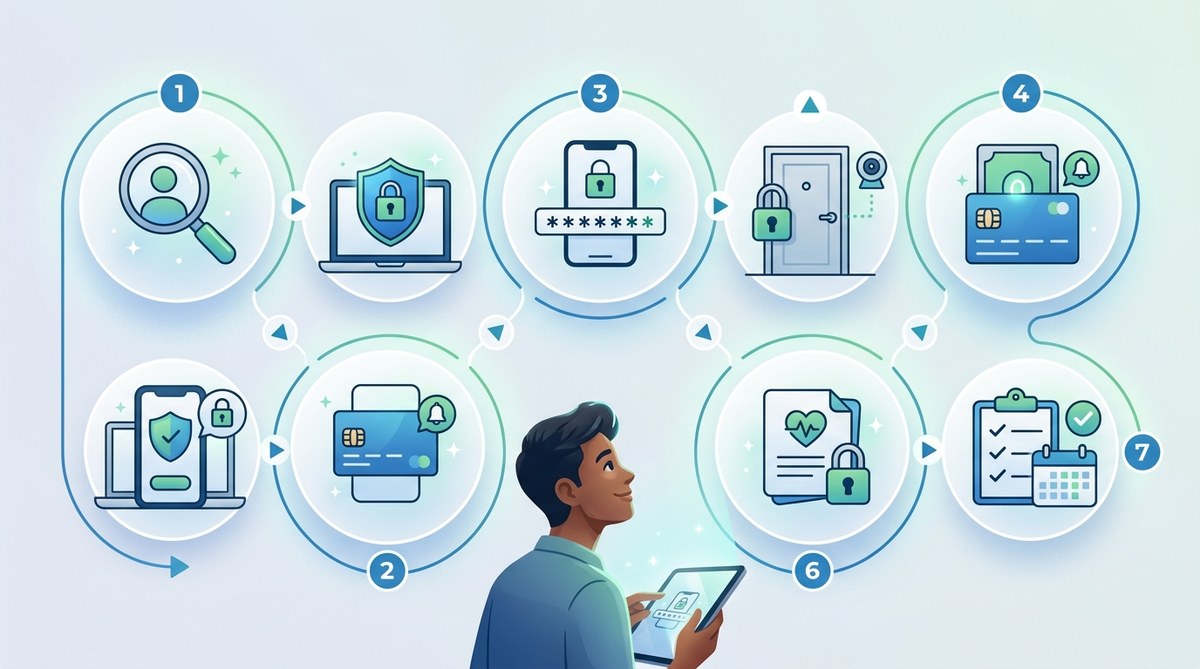
Starting a personal security audit might sound intimidating, but breaking it down into manageable steps makes it straightforward and empowering. Whether you’re concerned about cyber threats or physical safety, conducting a self-assessment helps you spot vulnerabilities and take control of your security. Think of it as a regular checkup for your safety—like a health exam but for your personal security measures. Taking these steps can significantly boost your confidence and resilience in facing everyday risks.
Conducting a personal security audit involves a series of practical steps that help you identify safety gaps in your digital and physical life. From reviewing your online accounts to inspecting your home security, these steps are designed to give you a clear picture of what needs improvement. Regular assessments keep you prepared and resilient against evolving threats, giving you peace of mind and better control over your safety.
Step 1: Define Your Security Goals and Scope
Begin by clarifying what areas you want to assess. Are you focusing on your online presence, physical safety at home or work, or both? Setting clear goals helps you stay organized. For example, you might want to check your password strength, review your home security systems, or evaluate your awareness of scams.
Ask yourself questions like:
– Which devices do I use daily that could be vulnerable to hacking?
– What physical areas need better protection, such as entrances or valuables?
– Are my emergency contacts and procedures up to date?
Defining the scope ensures you cover all critical points without feeling overwhelmed. Think of it as creating a checklist for your personal safety.
Step 2: Gather Information and Resources
Collect relevant data to understand your current security posture. This includes:
– Password lists and account recovery options
– Security settings on your devices and apps
– Surveillance camera footage or access logs
– Physical security measures like locks, alarms, and lighting
– Recent incident reports or safety concerns
Gathering this information can involve reviewing account security settings, inspecting your home security devices, or talking to family members or colleagues about safety protocols. Use a checklist to ensure nothing gets missed.
Step 3: Conduct a Physical Security Inspection
Walk through your physical environment with a critical eye. Check all entry points like doors, windows, and garage access. Ensure they are properly locked and reinforced if necessary. Look for vulnerabilities such as poor lighting, unguarded blind spots, or outdated locks.
Scan for safety hazards as well. Are fire exits accessible? Are emergency supplies available and visible? Note any issues that could compromise your safety or make it easier for intruders to gain access.
Physical security checklist:
- All doors and windows are secured
- Exterior lighting is functional and adequate
- Locks and security devices are up to date
- Emergency exits are accessible
- No signs of forced entry or tampering
Step 4: Review Digital Security Measures
Your online presence is a vital part of your personal security. Review:
– Password strength: Are your passwords complex and unique? Consider using a password manager for better management.
– Two-factor authentication: Is it enabled on your critical accounts like email, banking, and social media?
– Privacy settings: Are your social media profiles private? Do you share sensitive information publicly?
– Software updates: Are your devices and apps running the latest versions?
Scan for potential vulnerabilities:
– Reused passwords across multiple accounts
– Accounts with outdated or weak security settings
– Suspicious activity logs or login alerts
Digital security tips:
- Use strong, unique passwords for each account
- Enable multi-factor authentication wherever possible
- Regularly review your privacy and security settings
Step 5: Assess Your Awareness and Response Plans
Being aware of potential threats is just as important as technical measures. Review:
– Your knowledge of common scams like phishing or social engineering
– Emergency procedures for fire, medical, or security incidents
– Contact information for local authorities or emergency services
– Your response plans for various scenarios
Test your staff or family members’ awareness by asking questions about security protocols or conducting brief drills. An informed and prepared mindset can prevent many incidents.
Expert advice:
“Regularly practicing your response to security scenarios helps you react calmly and effectively during actual emergencies,” says safety expert Lisa Tran.
Step 6: Identify Gaps and Prioritize Improvements
Compare your gathered data against established best practices. Use a simple table to identify techniques that need improvement and common mistakes to avoid:
| Technique | Best Practice | Mistake to Watch For |
|---|---|---|
| Passwords | Use complex, unique passwords | Reusing passwords across accounts |
| Physical locks | Reinforce doors and windows | Leaving entry points unsecured |
| Software updates | Keep devices up-to-date | Ignoring security patches |
| Awareness | Regular training and drills | Underestimating social engineering risks |
Prioritize fixes based on risk level. High-priority issues include weak passwords, outdated locks, or unpatched devices that could be exploited easily.
Step 7: Document Findings and Take Action
Create a clear report summarizing your assessment. Include:
– Areas assessed
– Identified vulnerabilities
– Recommended improvements
– Responsible persons and deadlines
Implement the necessary changes, such as updating passwords, installing new locks, or reinforcing lighting. Schedule regular follow-up assessments to track progress.
Mistake to avoid:
- Failing to document or follow up on identified issues can leave vulnerabilities unaddressed. Regular reviews ensure continuous improvement.
Ongoing Monitoring and Reassessment
Personal security is an ongoing process. Set a schedule for periodic reviews, such as every six months or after significant life changes like moving or job shifts. Staying vigilant helps you adapt to new threats and maintain your safety.
Keep Your Security Checks Consistent
Conducting a personal security audit might seem like extra work. However, it is an essential habit that pays off by reducing risks and boosting your confidence. Think of it as a routine health check for your safety. Every review reveals opportunities for improvement and keeps you prepared for unforeseen challenges.
Remember, safety is a journey, not a one-time effort. Use these seven steps as a practical guide to stay ahead of threats. The more regularly you assess your vulnerabilities, the more resilient you’ll become. Investing a little time now can save you from bigger problems later. Stay alert, stay prepared, and keep your personal security strong.
Building a resilient personal safety plan
You don’t need to be an expert to keep yourself safe. By following these straightforward steps, you can create a personalized security plan tailored to your lifestyle. Take action today by reviewing your current measures and making small adjustments. Over time, these habits will become second nature, giving you peace of mind and confidence in your ability to handle risks.
Your safety starts with awareness and proactive steps. Regular checkups of your digital and physical security ensure you’re not leaving gaps for risks to slip in. Keep assessing, refining, and staying vigilant. Your future self will thank you for taking these steps now.