
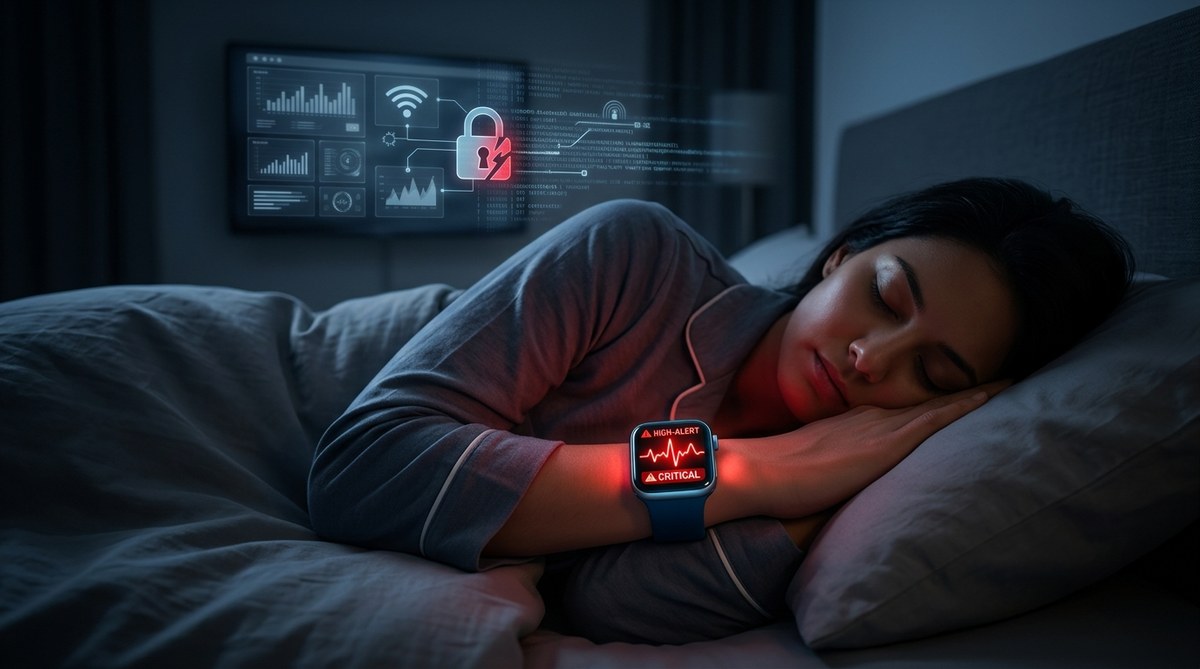
Medical wearables have become essential tools in managing health. From fitness trackers to insulin pumps, these devices give us real-time insights into our well-being. But as their popularity grows, so do concerns about security vulnerabilities. Hackers can exploit weaknesses in these devices to deliver false health alerts, steal sensitive data, or even manipulate medical outcomes. Understanding these risks is key to staying protected in a digital health landscape that is increasingly targeted by cyber threats.
Medical wearables face security vulnerabilities that can lead to false alerts or data breaches. Staying informed about these risks helps you protect your health information and avoid dangerous misinformation from malicious hacking efforts.
The nature of security vulnerabilities in medical wearables
Wearable medical devices connect to networks and store sensitive health data. This connectivity makes them attractive targets for cybercriminals. Their vulnerabilities often stem from poor security design, outdated software, or weak authentication methods. Hackers can manipulate these weaknesses to send false alerts about health conditions, potentially causing panic or unnecessary medical interventions.
Common security flaws include unencrypted data transmission, insufficient access controls, and insecure firmware updates. Many devices lack the robust security features found in traditional IT systems. This gap leaves them exposed to various attack techniques, including hacking over Bluetooth, Wi-Fi, or cloud services.
How hackers can exploit wearable medical device vulnerabilities
Cybercriminals have multiple avenues to target these devices. Here are some typical methods:
- Bluetooth hacking: Hackers can intercept or mimic Bluetooth signals to gain unauthorized access.
- Cloud server attacks: Weak security on cloud storage can lead to data breaches or manipulation.
- Firmware manipulation: Insecure firmware updates may be hijacked to introduce malicious code.
- Network interception: Data transmitted over Wi-Fi or cellular networks can be intercepted if not properly encrypted.
- Device hijacking: Attackers can take control of the device to send false health alerts or disable functions.
These exploits can have serious health consequences, especially if false alerts prompt unnecessary procedures or if vital data is altered.
Practical steps to secure wearable medical devices
Securing wearables is a shared responsibility among device manufacturers, healthcare providers, and users. To reduce your risk of falling victim to these vulnerabilities, consider these steps:
- Keep devices updated: Regularly install firmware and software updates. Manufacturers often release patches that fix security flaws.
- Use strong authentication: Enable multi-factor authentication where available. Avoid default passwords and change them promptly.
- Secure your networks: Connect devices only to trusted, encrypted Wi-Fi networks. Disable Bluetooth when not in use.
- Limit data sharing: Review app permissions and data sharing settings. Only grant access to trusted parties.
- Monitor device activity: Watch for unusual behavior or alerts. If a device behaves unexpectedly or sends strange notifications, investigate promptly.
- Work with healthcare providers: Ensure they are aware of the security features of your devices and follow recommended practices.
By following these steps, you can significantly reduce the likelihood of hacking incidents affecting your health data or safety.
Common security mistakes that leave wearables vulnerable
Understanding what not to do is equally important. Here are some common errors that increase vulnerability:
- Using weak or default passwords
- Not updating firmware regularly
- Connecting devices to insecure networks
- Ignoring suspicious device behavior
- Sharing devices or login credentials without caution
| Technique | Mistake |
|---|---|
| Firmware updates | Skipping patches, leaving vulnerabilities |
| Password management | Using simple or default passwords |
| Network security | Connecting to open or untrusted networks |
| Data sharing | Allowing unnecessary permissions |
| Device monitoring | Ignoring irregular behavior |
Expert insights on wearable device security
“Cybersecurity in medical wearables is often overlooked but remains vital. Users must understand that vulnerabilities can lead to false alerts, which might cause unnecessary anxiety or medical procedures. Manufacturers need to prioritize security in device design to prevent malicious attacks.” — Dr. Lisa Chen, cybersecurity researcher
How to evaluate the security of your wearable devices
When choosing a wearable, consider the following techniques and avoid common mistakes:
| Technique | Mistake to Avoid |
|---|---|
| Checking for regular firmware updates | Buying devices without ongoing security support |
| Enabling multi-factor authentication | Relying solely on a single password |
| Reviewing security features in the app | Ignoring privacy policies and permissions |
| Connecting only to trusted networks | Using public Wi-Fi for sensitive health data |
| Monitoring device logs and alerts | Disregarding unusual activity or notifications |
Focusing on these areas helps ensure your device’s security posture is strong.
Why security vigilance is essential for health safety
Medical wearables are designed to support health management. But if compromised, they can deliver false health alerts that lead to unnecessary treatments or panic. In worst-case scenarios, hackers could manipulate device data to alter medication dosages or disable vital functions. The risks are real and growing as these devices become more connected.
Staying aware of potential vulnerabilities and practicing good security habits can help you avoid these dangers. Remember, security is an ongoing process, not a one-time setup.
How to build a resilient approach to wearable device security
- Educate yourself: Learn about common vulnerabilities and how to recognize signs of tampering.
- Maintain device hygiene: Regularly update software and firmware.
- Enforce strong access controls: Use complex passwords and multi-factor authentication.
- Limit network exposure: Use secured, trusted networks and disable Bluetooth when not in use.
- Collaborate with healthcare providers: Share security concerns and follow their guidance.
Implementing these practices creates a layered defense that makes it harder for hackers to exploit vulnerabilities.
A final reminder to stay ahead of threats
In the rapidly advancing world of digital health, no device is immune to security threats. Awareness and proactive measures are your best tools to protect your health data and ensure device integrity. As cybersecurity experts emphasize, maintaining vigilance and applying best practices can prevent malicious attacks from causing real harm.
Taking control of your wearable device security today helps you stay resilient in an era where health and technology intersect more closely than ever. Keep informed, stay cautious, and regularly review your security measures to keep your health journey safe and secure.