
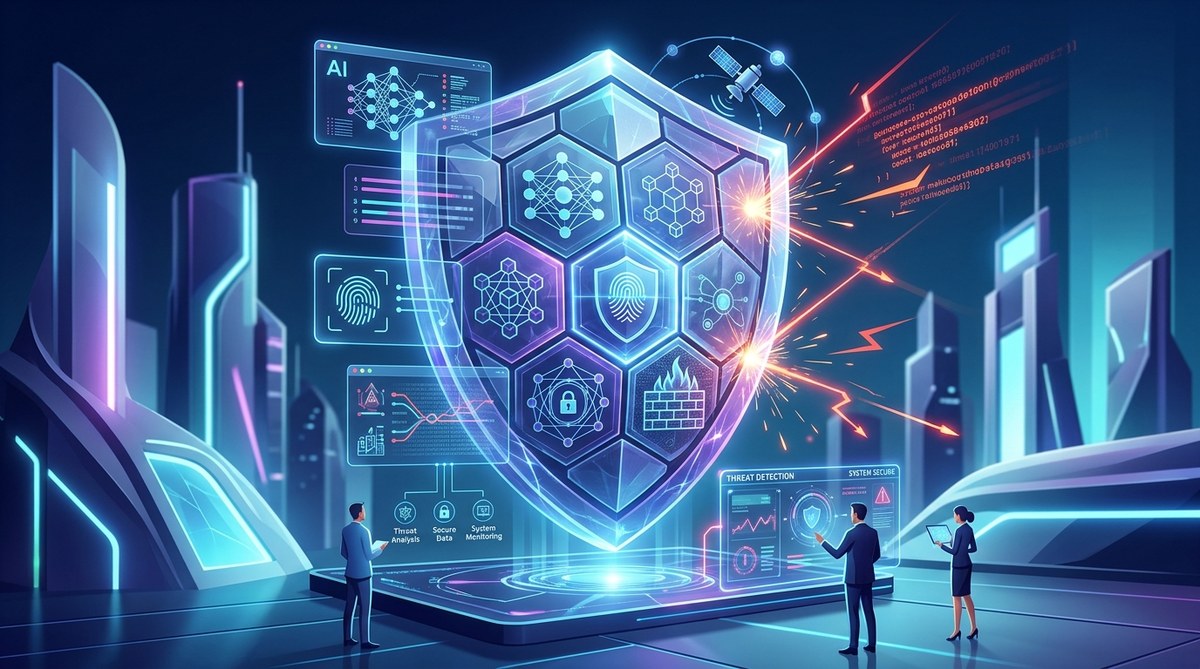
Understanding the landscape of cyber threats is like trying to hit a moving target. As cybercriminals become more sophisticated, so do the tools and techniques available to defend digital assets. Emerging technologies in cyber defense are reshaping how organizations detect, respond to, and prevent cyber attacks. From artificial intelligence to quantum computing, these innovations are vital for staying ahead of evolving threats. Keeping up with these trends is no longer optional; it’s a necessity for cybersecurity professionals and tech enthusiasts alike.
Emerging cyber defense technologies like AI, machine learning, and quantum computing are transforming cybersecurity strategies. Staying updated helps organizations anticipate threats, automate defenses, and build resilient systems in a rapidly changing digital environment.
How Emerging Technologies Are Changing Cybersecurity
The cybersecurity field is constantly shifting. New threats appear almost daily, and traditional defenses can struggle to keep up. Emerging technologies in cyber defense introduce innovative ways to detect vulnerabilities, respond faster, and even predict attacks before they happen. This proactive approach is a game-changer.
Artificial intelligence (AI) and machine learning (ML) are perhaps the most talked about advances. They enable systems to analyze vast amounts of data, identify anomalies, and flag potential threats in real time. These tools can adapt to new attack methods, making defenses more flexible and robust.
At the same time, quantum computing threatens to upend current encryption standards. But it also offers new opportunities for creating unbreakable security protocols. Meanwhile, other innovations like blockchain and advanced biometric authentication are adding layers of security that are harder for hackers to bypass.
Understanding these emerging tools can prepare you for the future of cybersecurity, whether you’re an IT professional, researcher, or enthusiast. Let’s take a closer look at some of the most promising technologies reshaping cyber defense.
Key Technologies Leading the Charge
1. Artificial Intelligence and Machine Learning
AI and ML are revolutionizing cyber defense by enabling systems to learn from data and improve over time. They help detect suspicious activity faster than traditional methods. For example, AI-powered security platforms can analyze network traffic, identify patterns indicative of a breach, and initiate responses automatically.
Additionally, these technologies assist in threat hunting. Instead of relying solely on predefined rules, AI systems can uncover hidden threats, zero-day vulnerabilities, and previously unknown attack vectors.
2. Quantum Computing and Post-Quantum Cryptography
Quantum computers have the potential to crack complex encryption algorithms that protect sensitive data today. This possibility prompts the development of quantum-resistant cryptography, which aims to secure information against future quantum attacks. Organizations investing in quantum-safe protocols can protect their data for decades to come.
At the same time, quantum technology opens possibilities for ultra-secure communication channels. Quantum key distribution, for instance, allows two parties to share encryption keys with theoretically unbreakable security.
3. Blockchain and Decentralized Security
Blockchain technology offers transparent, tamper-proof records. In cybersecurity, it is used to verify identities, secure transactions, and protect data integrity. Decentralized identity management systems prevent single points of failure, making it harder for hackers to compromise user credentials.
Moreover, blockchain can facilitate secure sharing of threat intelligence across organizations, creating a collective defense network.
4. Behavioral Biometrics
Traditional authentication methods like passwords are increasingly vulnerable. Behavioral biometrics analyze patterns such as typing rhythm, mouse movements, or device usage habits. They provide continuous authentication, making it harder for cybercriminals to impersonate users.
This technology can be integrated into login processes or used for ongoing verification in sensitive applications.
5. Automated Incident Response and Orchestration
Automating responses to cyber incidents minimizes damage. Security orchestration, automation, and response (SOAR) platforms coordinate various tools to identify threats, contain breaches, and remediate issues swiftly.
For example, if an intrusion is detected, automated systems can isolate affected devices, revoke access credentials, and alert security teams—all without manual intervention.
Practical Steps to Integrate Emerging Technologies
Adopting these innovations requires careful planning. Here are some steps to help get started:
-
Assess your current security posture
Identify gaps that emerging technologies can fill. Conduct thorough risk assessments to understand vulnerabilities. -
Prioritize technology investments
Focus on solutions that align with your organization’s needs and threat landscape. For example, if data encryption is a concern, investing in post-quantum cryptography makes sense. -
Build a skilled team
Train your staff on new tools and concepts. Consider partnering with cybersecurity research groups or vendors offering specialized training. -
Implement pilot projects
Test new technologies in controlled environments before full deployment. This helps evaluate effectiveness and integration challenges. -
Stay informed and adapt
Cyber threats evolve rapidly. Regularly update your knowledge base and adjust your defenses as new trends emerge.
Common Mistakes When Adopting Emerging Technologies
| Technique | Mistake | Why It Matters |
|---|---|---|
| Relying solely on AI | Overtrusting automation | AI can generate false positives or negatives. Human oversight remains essential. |
| Ignoring encryption updates | Failing to adopt post-quantum protocols | Data can become vulnerable when quantum attacks become practical. |
| Underestimating user behavior | Overlooking behavioral biometrics | Security is not just technology; user habits influence effectiveness. |
| Skipping integration planning | Deploying new tools without strategy | Fragmented systems create gaps and reduce overall security. |
| Neglecting ongoing training | Failing to keep staff updated | New tech requires continuous learning to maximize benefits. |
Expert Advice on Staying Ahead
“Investing in emerging technologies is only part of the solution. Regular testing, staff training, and a culture of resilience are equally important to build a strong defense.” — Cybersecurity strategist
How to Keep Your Cyber Defense Future-Ready
The landscape of cyber threats will continue to evolve. Staying informed about emerging technologies helps you anticipate risks and respond effectively. Regularly review your security measures, participate in industry forums, and consider partnerships with specialized vendors.
Remember, technology alone cannot guarantee safety. Combining innovative tools with strong policies and vigilant staff creates a resilient security posture. Whether integrating AI for threat detection or exploring quantum cryptography, taking small, consistent steps will prepare you for tomorrow’s challenges.
Applying these insights in your organization or personal setup can make a significant difference. Staying flexible and proactive is the best way to turn emerging technologies into your strongest allies.
Harnessing Future-Forward Cyber Defense for Real-World Resilience
The rapid pace of technological change demands a proactive approach. By understanding and applying emerging tools like AI, quantum cryptography, and behavioral biometrics, you can build defenses that adapt and grow stronger over time. Remember, the best security strategies are those that evolve alongside threats.
Start small. Assess your needs, test new solutions, and keep learning. Cybersecurity is a journey, not a destination. With a curious mind and a commitment to staying informed, you can navigate the shifting landscape confidently.