
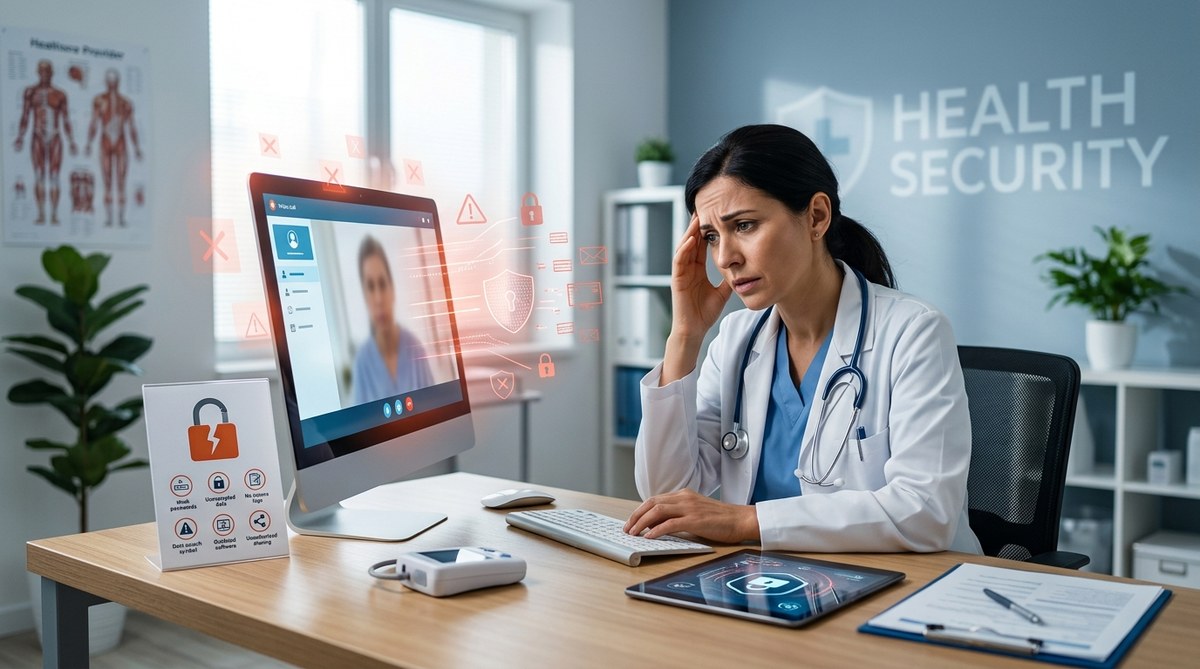
Maintaining patient trust while safeguarding sensitive health information is vital in today’s digital healthcare environment. Telemedicine has transformed how we access care, but with this convenience comes the responsibility to ensure your platform complies with HIPAA regulations. Failing to meet these standards can lead to hefty fines, damage to reputation, and legal complications. Recognizing the warning signs early helps healthcare providers and administrators keep their telehealth services secure and compliant.
Ensuring your telemedicine platform is HIPAA compliant involves verifying data security measures, proper vendor management, staff training, and continuous risk assessments. Recognizing compliance gaps early helps prevent costly breaches and legal issues, keeping patient trust intact and your practice protected.
How to Spot a Telemedicine Platform That Isn’t HIPAA Compliant
Understanding the signs that your telehealth platform may not be meeting HIPAA standards is crucial. Many providers assume that simply having a video conferencing tool suffices. However, HIPAA compliance goes much deeper. Here are key indicators that your platform might be vulnerable.
1. Lack of End-to-End Data Encryption
Encryption is fundamental for protecting health information during transmission and storage. If your platform does not encrypt data at rest and in transit, patient information could be exposed if intercepted or accessed without authorization. This is a common failure point for non-compliant systems.
2. Absence of a Business Associate Agreement (BAA)
A BAA is a formal contract between healthcare providers and technology vendors outlining responsibilities for protecting Protected Health Information (PHI). If your vendor cannot or will not sign a BAA, your platform likely does not meet HIPAA requirements. This omission significantly increases your legal risk.
3. Insecure User Authentication
HIPAA mandates strict access controls. If your telemedicine system relies on weak passwords, shared login credentials, or lacks multi-factor authentication, unauthorized users could access sensitive data. This vulnerability compromises patient privacy and compliance.
4. No Audit Logging or Monitoring
A compliant platform maintains detailed logs of user activity. These logs are essential for identifying unauthorized access, investigating incidents, and demonstrating compliance during audits. Platforms that do not record or review audit trails are at risk of non-compliance.
5. Poor Staff Training and Awareness
Even the most secure platform can be compromised by human error. If healthcare staff are not trained on HIPAA regulations and best practices for telehealth, accidental disclosures or mishandling of PHI can occur. Regular training is a key component of compliance.
6. Data Storage and Backups Not Compliant
Storing health data on personal devices or unsecured servers can violate HIPAA. Proper data storage involves using HIPAA-compliant cloud services with appropriate access controls and encryption. Insecure backups further increase vulnerability.
7. No Regular Risk Assessments or Vulnerability Scans
HIPAA requires ongoing risk management. If your organization does not conduct periodic risk assessments or vulnerability scans, you may overlook emerging threats. This practice is vital to maintaining compliance and securing patient data.
8. Using Outdated or Non-Standard Technologies
Legacy systems or non-HIPAA-compliant communication tools may seem convenient but pose significant security risks. Outdated software often lacks necessary security patches, making data breaches more likely.
9. Inadequate Incident Response Plans
Despite best efforts, breaches can happen. If your organization lacks a clear incident response plan, you might not respond swiftly or effectively. HIPAA mandates having procedures to address data breaches promptly and thoroughly.
10. Ignoring Patient Privacy in Platform Design
A HIPAA-compliant telemedicine platform should prioritize patient privacy. If the interface exposes PHI inadvertently or lacks privacy features such as soundproofing or secure login screens, it may not meet HIPAA standards.
Practical Steps to Ensure Your Telemedicine Platform Meets HIPAA Standards
To avoid these pitfalls, consider the following process:
-
Verify Encryption Standards
Ensure your provider uses industry-standard encryption protocols for data in transit and at rest. Confirm that encryption keys are securely managed. -
Secure a Business Associate Agreement
Work only with vendors willing to sign a BAA. Review the agreement carefully to understand their security responsibilities. -
Implement Strong Authentication Measures
Use multi-factor authentication, unique user IDs, and role-based access controls. Regularly review user access privileges. -
Conduct Regular Risk Assessments
Schedule periodic evaluations of your platform’s security posture. Use findings to update policies and security controls. -
Train Staff on HIPAA and Security Best Practices
Provide ongoing education on data privacy, phishing awareness, and proper handling of PHI.
Additional Tips for a HIPAA-Compliant Telehealth Experience
- Use only HIPAA-compliant video conferencing solutions.
- Limit data access to authorized personnel.
- Maintain detailed audit logs and review them regularly.
- Secure backups to prevent data loss and unauthorized access.
- Develop and rehearse incident response plans.
- Keep software up to date with the latest security patches.
“Choosing a telemedicine platform that isn’t HIPAA compliant can jeopardize patient trust and lead to hefty penalties. Always verify security measures, contractual obligations, and staff training protocols before launching new systems.” — Health IT Security Expert
How to Keep Your Telehealth Data Safe and Compliant
Maintaining compliance is an ongoing process. It’s not enough to set up a secure system once and forget about it. Regular reviews and updates are essential. Technology evolves rapidly, and so do threats.
| Technique | Mistake to Avoid |
|---|---|
| Ignoring encryption protocols | Using unsecured communication channels |
| Skipping BAA negotiations | Working with vendors unwilling to sign agreements |
| Weak password policies | Relying on single-factor authentication |
| Not conducting risk assessments | Overlooking emerging vulnerabilities |
| Insufficient staff training | Assuming staff will follow protocols blindly |
| Insecure data storage | Using personal devices or unsecured servers |
Embracing a Culture of Security in Telehealth
Creating a culture of security involves everyone. From the IT team to clinicians, each person plays a role in maintaining compliance. Regular communication, ongoing training, and clear policies foster an environment where privacy is prioritized.
Common pitfalls to avoid include:
- Relying on outdated security practices
- Overlooking the importance of staff education
- Ignoring the need for continuous risk assessments
- Using non-compliant tools for communication and data storage
Protecting Patient Trust with Vigilance and Proper Planning
Ensuring your telemedicine platform is HIPAA compliant is more than a legal requirement. It’s about respecting patient trust and delivering quality care securely. Start by evaluating your current systems against these warning signs. Take proactive steps to address gaps, and keep security at the forefront of your telehealth strategy.
Secure Your Telehealth Future Today
The landscape of healthcare technology is always changing. Staying ahead means being vigilant about compliance and security. Regularly review your platform’s security measures, update your policies, and keep staff trained. By doing so, you protect your practice, your patients, and your reputation.
Remember, compliance isn’t a one-time effort. It’s an ongoing commitment that benefits everyone involved. Taking these steps today can save you from headaches tomorrow. Build your telemedicine services on a foundation of trust, security, and compliance.